
Entering the Water Naked:
A Tradition Older Than We Think
Purification, Renewal and the Historical Evidence for Ritual Nude Immersion:
Introduction
The modern practice of skinny-dipping is often regarded as a recreational activity, a form of naturism, or simply a personal preference. Yet throughout history the combination of nakedness and immersion in water has frequently carried symbolic meaning.¹ Across a wide range of cultures, water has been associated with purification, healing, rebirth, initiation, and transformation. In some contexts, the removal of clothing formed an integral part of these rites.
This article examines the historical evidence for symbolic nude immersion from Antiquity to the present day. It does not seek to argue for a single continuous tradition linking ancient practices with modern skinny-dipping. Such a claim would be difficult to sustain. Rather, it explores a recurring phenomenon: the appearance, in different societies and periods, of customs that combine nakedness, water, and ideas of renewal.
A distinction must first be made between ordinary naked bathing and ritual naked bathing. For much of human history, communal nude bathing was commonplace and carried little special significance. The question addressed here is narrower: when and why did cultures attach symbolic meaning to entering water unclothed?
Nakedness and Water in the Classical World
The ancient Mediterranean world provides abundant evidence for the social acceptance of public nudity. In Ancient Greece, athletic competition took place in the nude, while bathing formed an important part of civic life. The gymnasium itself was not merely a place of exercise but a centre of education and social interaction.
Although most Greek bathing was practical rather than ritualistic, purification by water was a recognised feature of religious life. Participants in certain ceremonies washed in rivers or the sea before approaching sacred spaces. Water symbolised the removal of impurity and preparation for contact with the divine.
The Romans inherited and expanded many of these customs. Public baths became among the most important institutions of Roman urban life. While these establishments served hygienic, social, and recreational purposes, they also reflected broader cultural ideas about bodily renewal and well-being.
It is important, however, not to overstate the evidence. While naked bathing was common, there is relatively little indication that the nudity itself was considered symbolic. Rather, it was the water that carried the principal ritual significance. Nakedness was often simply the normal condition in which bathing occurred.
Early Christian Baptism and Spiritual Rebirth
One of the clearest examples of symbolic nude immersion is found in the early Christian Church.
Several early Christian writers describe baptismal candidates removing their clothing before entering the water.² The practice was not universal in all places and periods, but there is substantial evidence that nude baptism was common during the first centuries of Christianity.
The symbolism was explicit. Candidates stripped off their garments as a representation of casting aside the old self and the burden of sin. Emerging from the water symbolised spiritual rebirth.
Cyril of Jerusalem, writing in the fourth century, compared the removal of clothing before baptism to Adam’s condition before the Fall.³ Other Church Fathers employed similar imagery. Baptism was understood not merely as washing but as transformation.
Here, perhaps more clearly than anywhere else in the historical record, nakedness and water were consciously combined in a symbolic act of renewal.
Sacred Wells and the Celtic Tradition
The Celtic-speaking regions of Britain and Ireland provide extensive evidence for the veneration of springs, wells, rivers, and other sources of water. Many of these sites retained religious significance long after the spread of Christianity, often becoming associated with local saints.
Pilgrims visited holy wells seeking healing from physical ailments, protection from misfortune, or spiritual blessing.⁴ The custom of washing affected body parts in the water is well documented, as are rituals involving drinking from sacred springs.
The evidence for ritual nudity, however, is considerably weaker.⁵
Modern writers sometimes assume that sacred water sites must have involved naked immersion, but direct historical evidence is sparse. While classical authors occasionally described northern European peoples bathing naked in rivers, this does not necessarily indicate a religious practice.
A careful reading of the evidence suggests that sacred water was unquestionably important within Celtic traditions, but claims regarding ritual nude immersion should be treated with caution. The available sources do not allow firm conclusions.
Purification and Misogi in Japan
A more clearly documented tradition survives in Japan through the Shinto practice of misogi.
Misogi involves ritual purification through exposure to natural water, often beneath waterfalls or in rivers and coastal waters.⁶ The practice has ancient roots and remains part of Japanese religious life today.
The purpose of the ritual is not physical cleanliness but spiritual purification. Participants seek to remove impurity and restore harmony with the divine order.
Historically, some forms of misogi involved complete nudity or minimal clothing,⁷ particularly in periods when attitudes towards the naked body differed from those of modern Japan. As with early Christian baptism, the significance lay not in the body itself but in the symbolic act of purification.
The combination of nakedness, natural water, and spiritual renewal provides a striking parallel with traditions found elsewhere in the world, despite their entirely separate cultural origins.
Scandinavia, Sauna Culture and Naked Immersion
The Nordic countries provide another example of the enduring association between nakedness and water.
For centuries, sauna culture has formed an important part of life in Finland and neighbouring regions.⁸ The sauna itself functions as a place of cleansing, relaxation, and social interaction. It is traditionally followed by immersion in cold water or exposure to snow and ice.
Unlike many religious rituals, these practices are primarily cultural rather than theological. Nevertheless, participants frequently describe them in language suggestive of renewal, purification, and rebirth.
The transition from intense heat to cold water creates a powerful physical and psychological experience. While the practice may not carry explicit religious symbolism, it occupies a similar conceptual space: the individual undergoes a temporary ordeal and emerges refreshed.
The continuing acceptance of naked bathing in Nordic societies also serves as a reminder that modern discomfort with non-sexual nudity is far from universal.
The Rise of the Modern Taboo
If naked bathing was once widespread, why did it become controversial?
The answer lies largely in changing attitudes towards the body.
Following the decline of the Roman world, Europe gradually moved away from traditions of communal bathing. Medieval Christianity increasingly associated nakedness with vulnerability, shame, and the consequences of the Fall. While attitudes varied considerably across regions and periods, public nudity became progressively less common.
The most significant transformation occurred during the nineteenth century.⁹ Victorian Britain developed an elaborate culture of respectability in which bodily exposure was increasingly regulated. Sea bathing remained popular, but it was often accompanied by cumbersome bathing costumes and strict social conventions.
Yet even during this period the reality was more complex than stereotypes suggest. Contemporary accounts indicate that naked swimming remained common among working-class men and boys in rivers, ponds, reservoirs, and coastal waters.¹⁰ The taboo was strongest within middle-class culture and mixed-sex settings.
Modern attitudes towards nakedness therefore owe much to relatively recent historical developments rather than to any universal or timeless social norm.
Modern Naturism and Wild Swimming
The twentieth century witnessed the emergence of organised naturist movements across Europe.¹¹ In countries such as Germany, traditions of Freikörperkultur (“free body culture”) promoted the idea that non-sexual nudity was both healthy and socially beneficial.
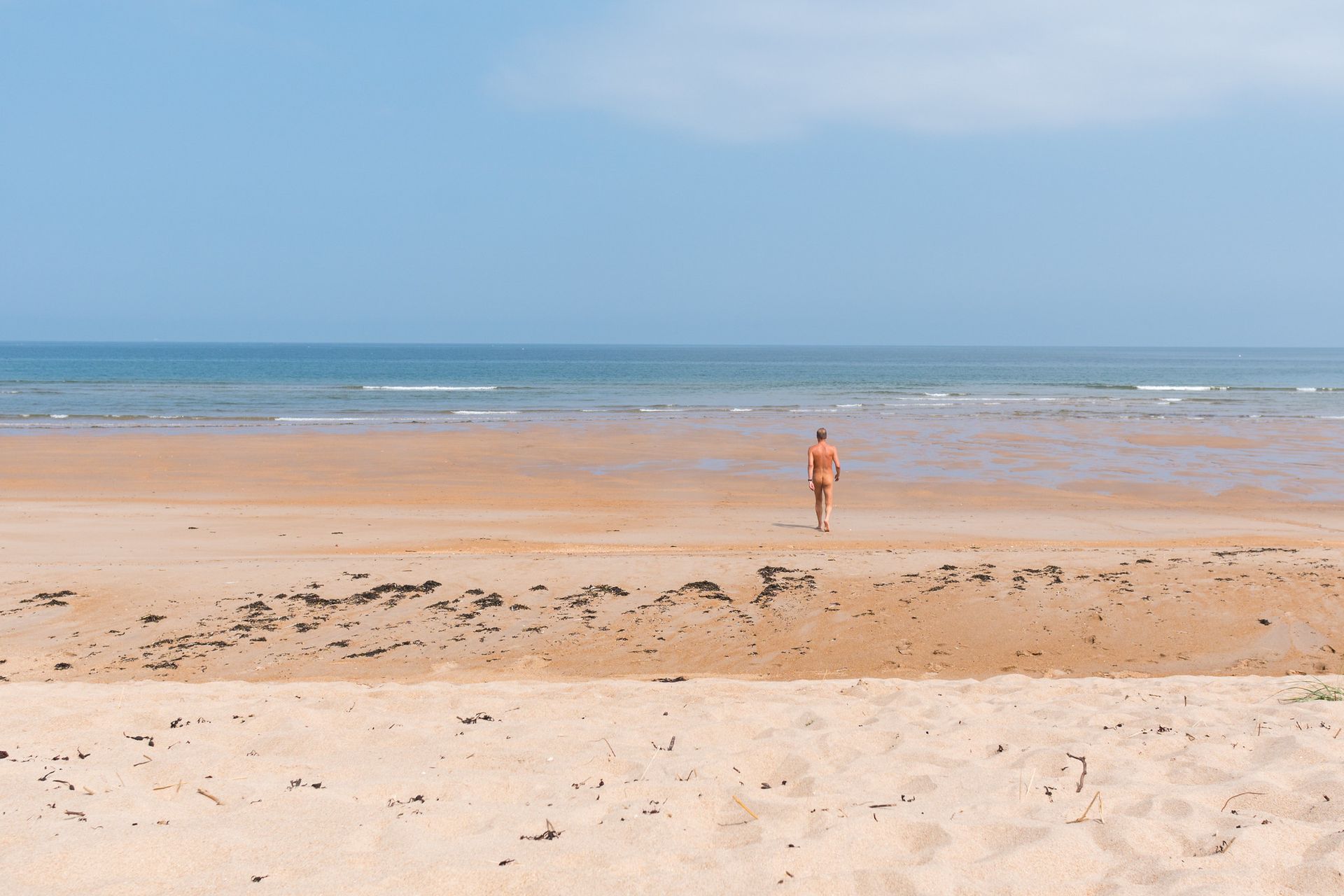
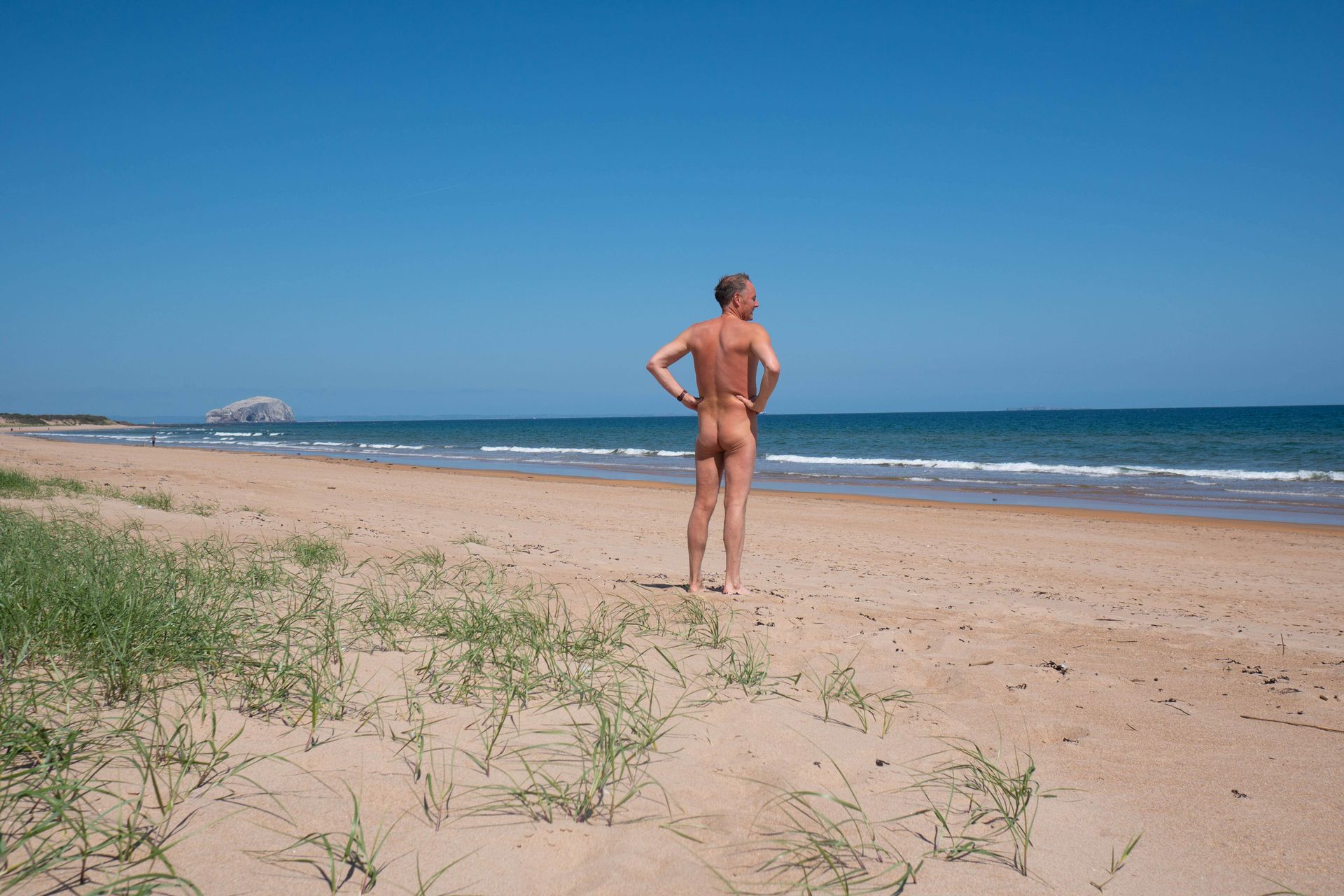
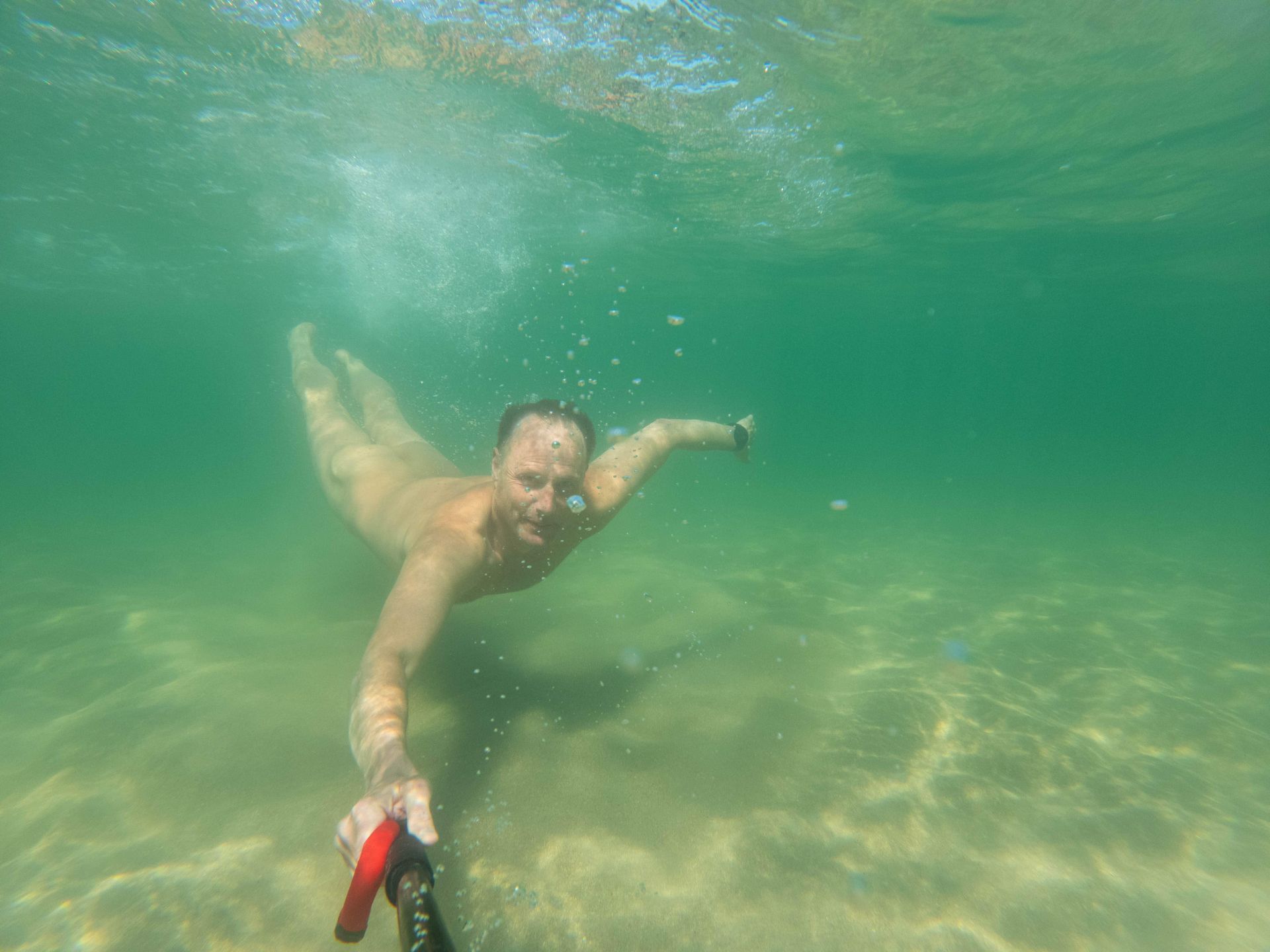
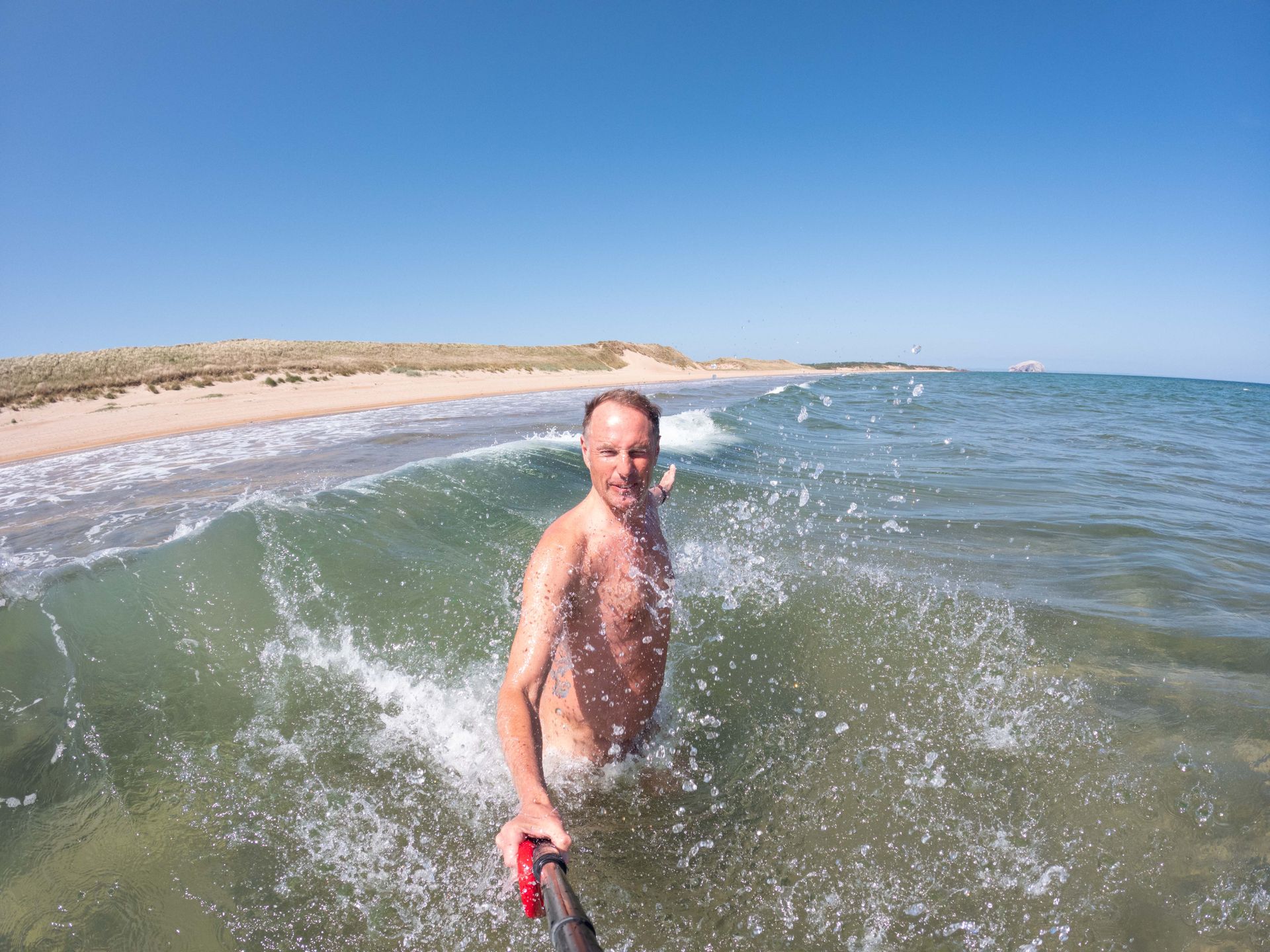
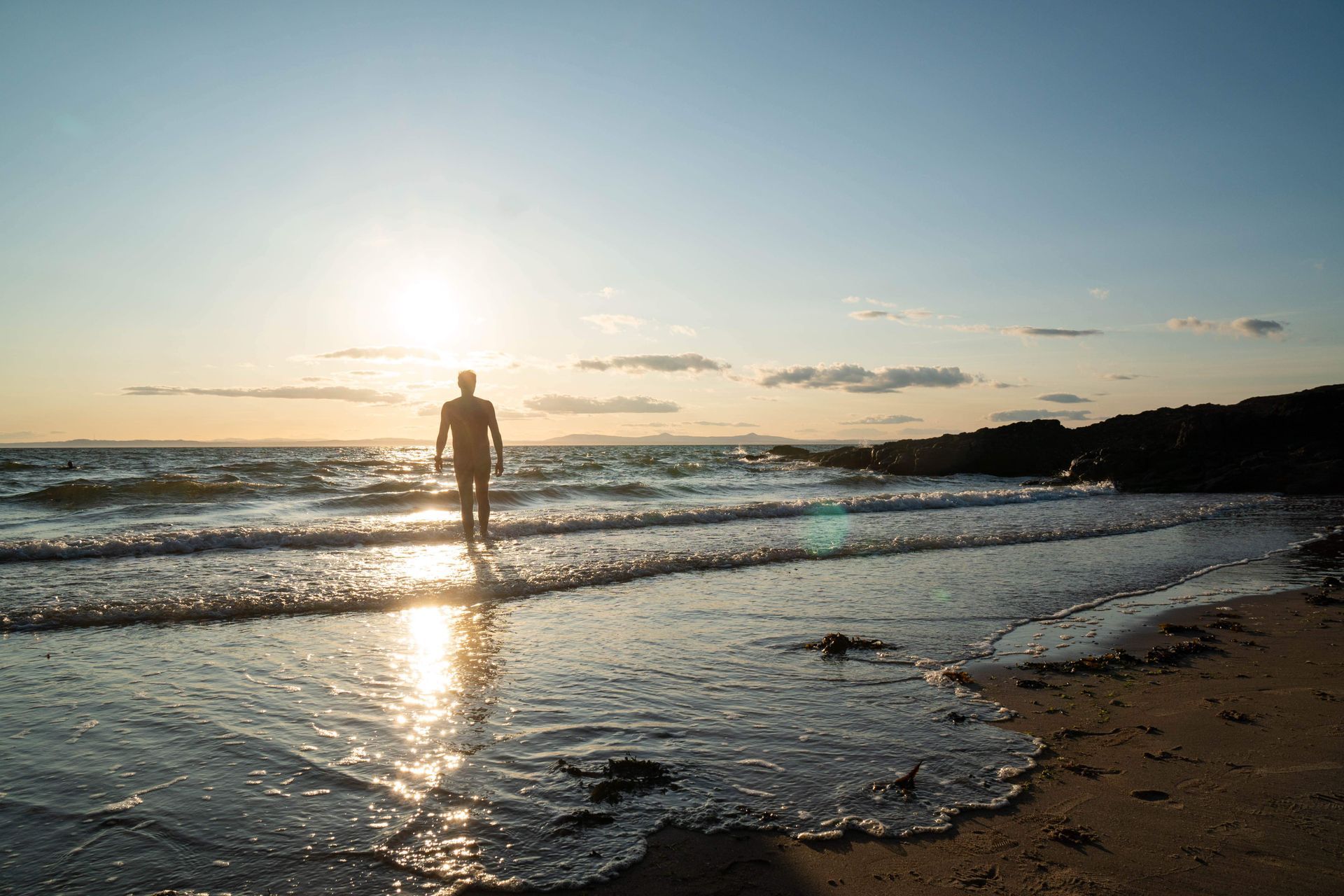
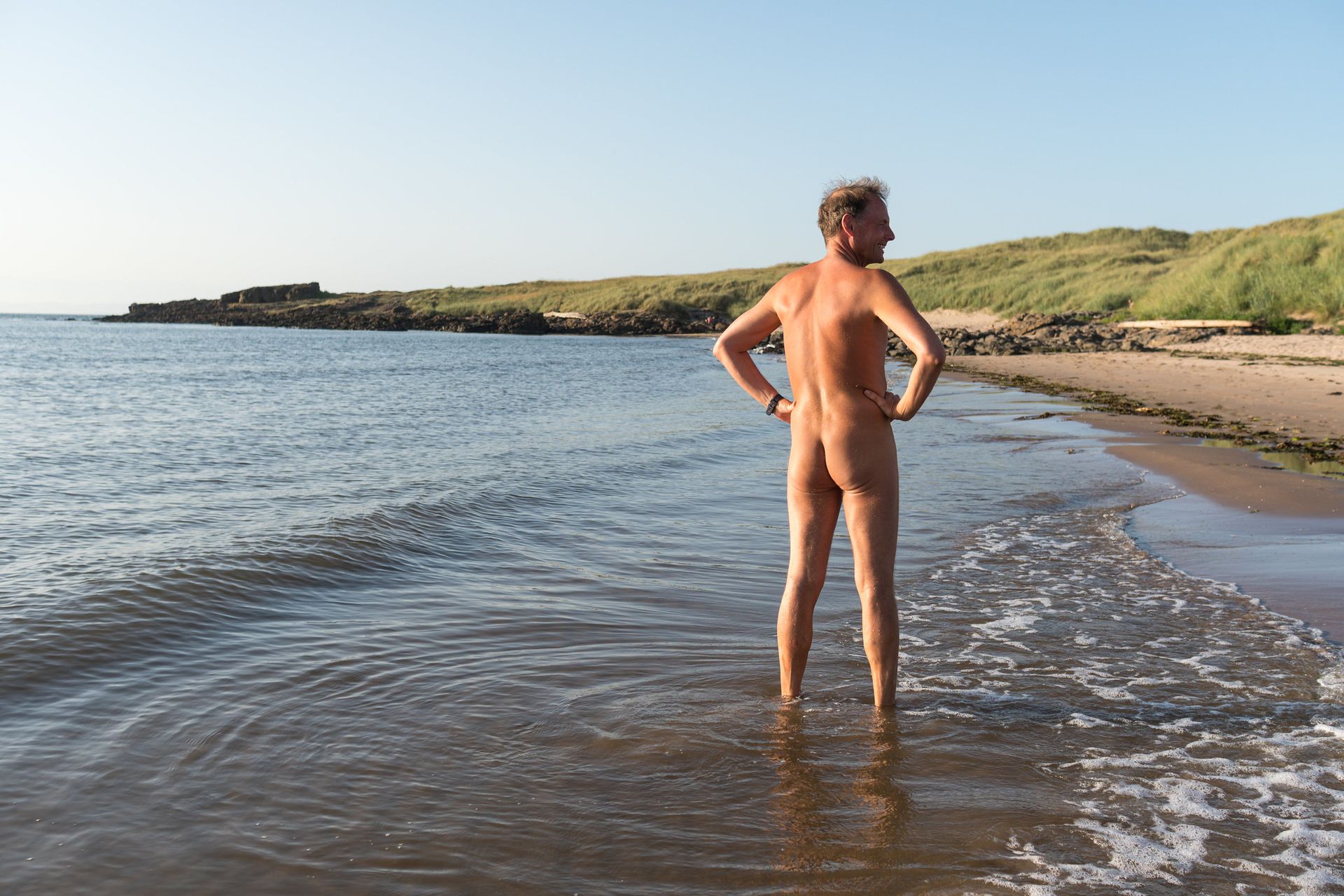
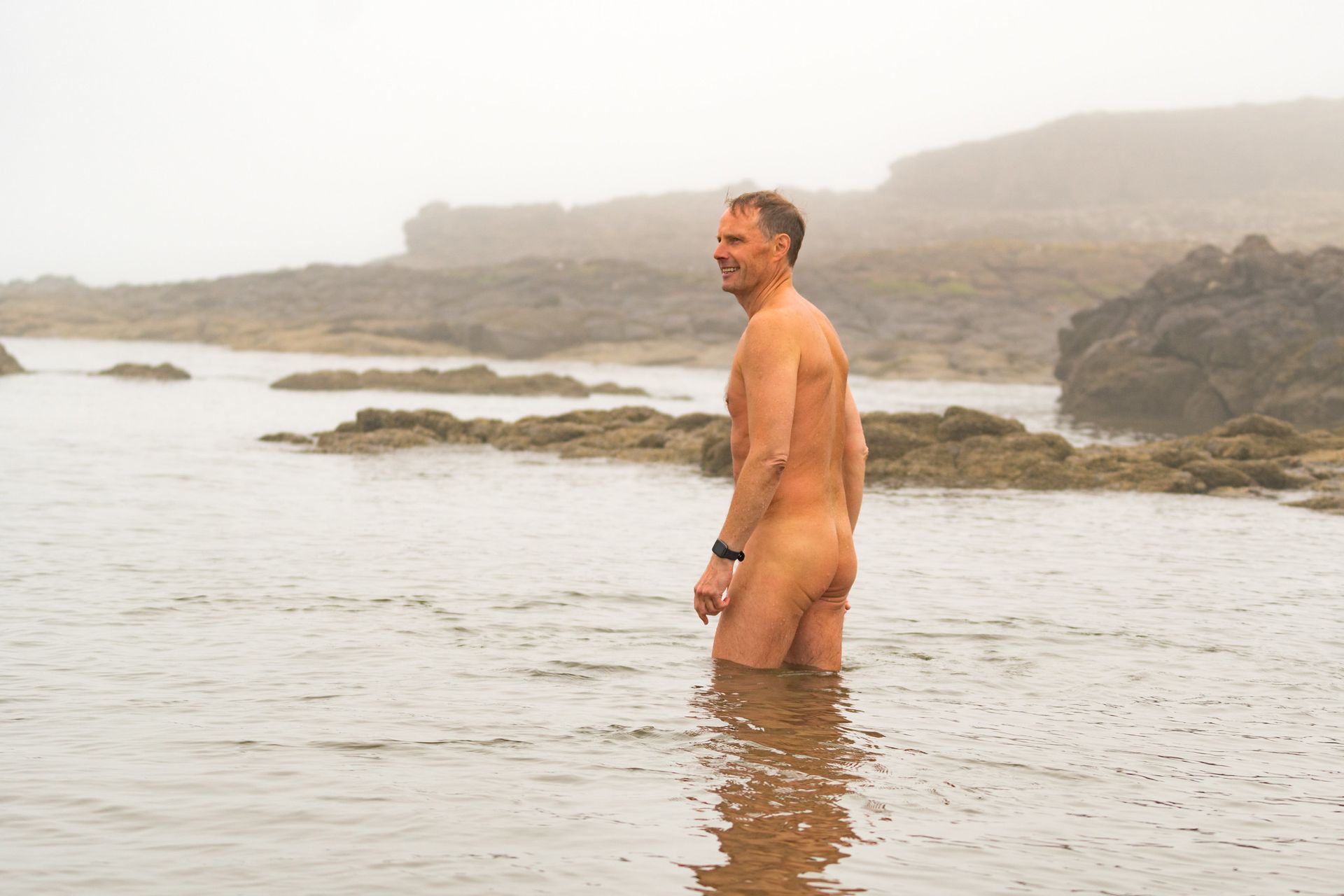
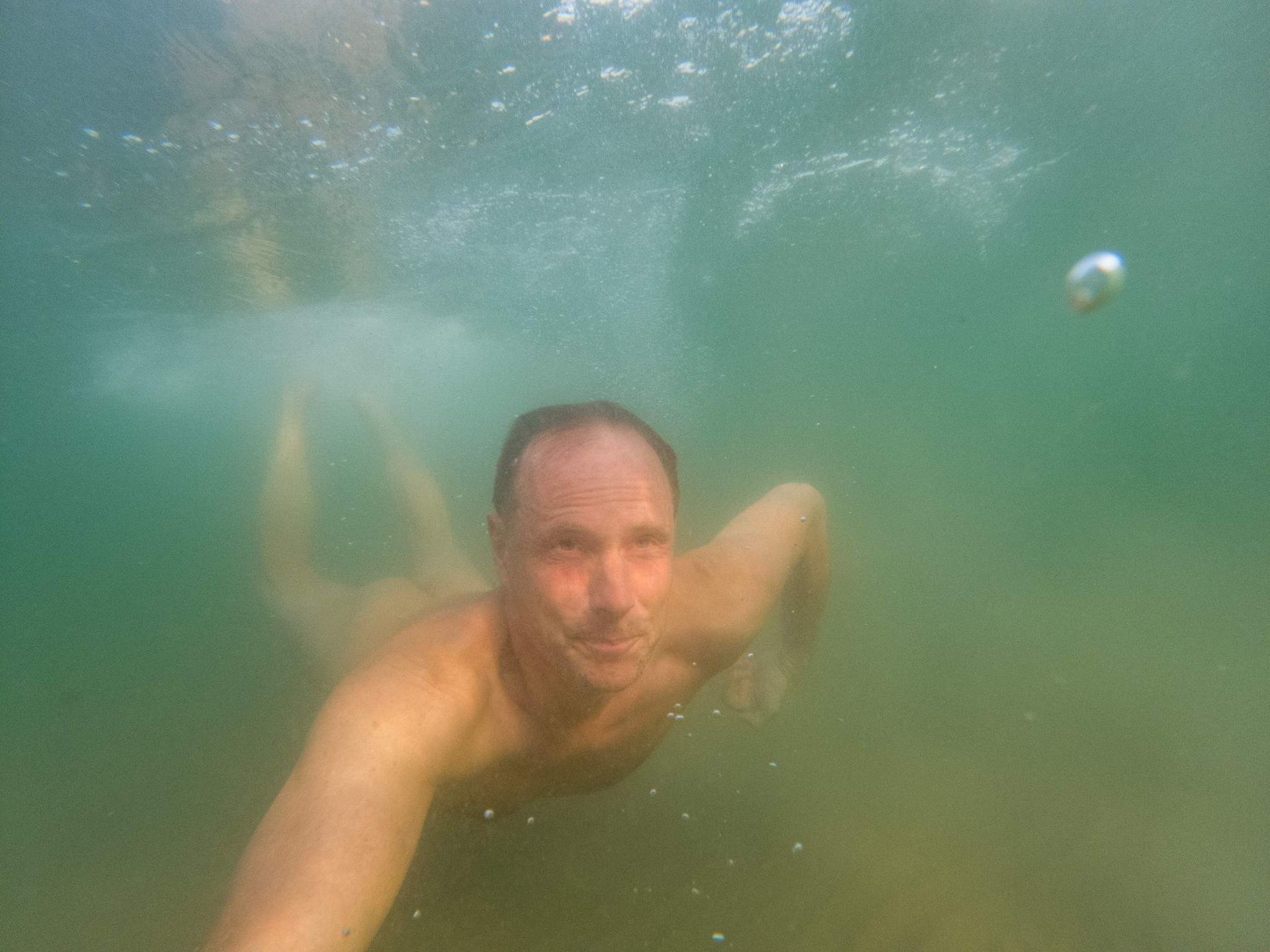
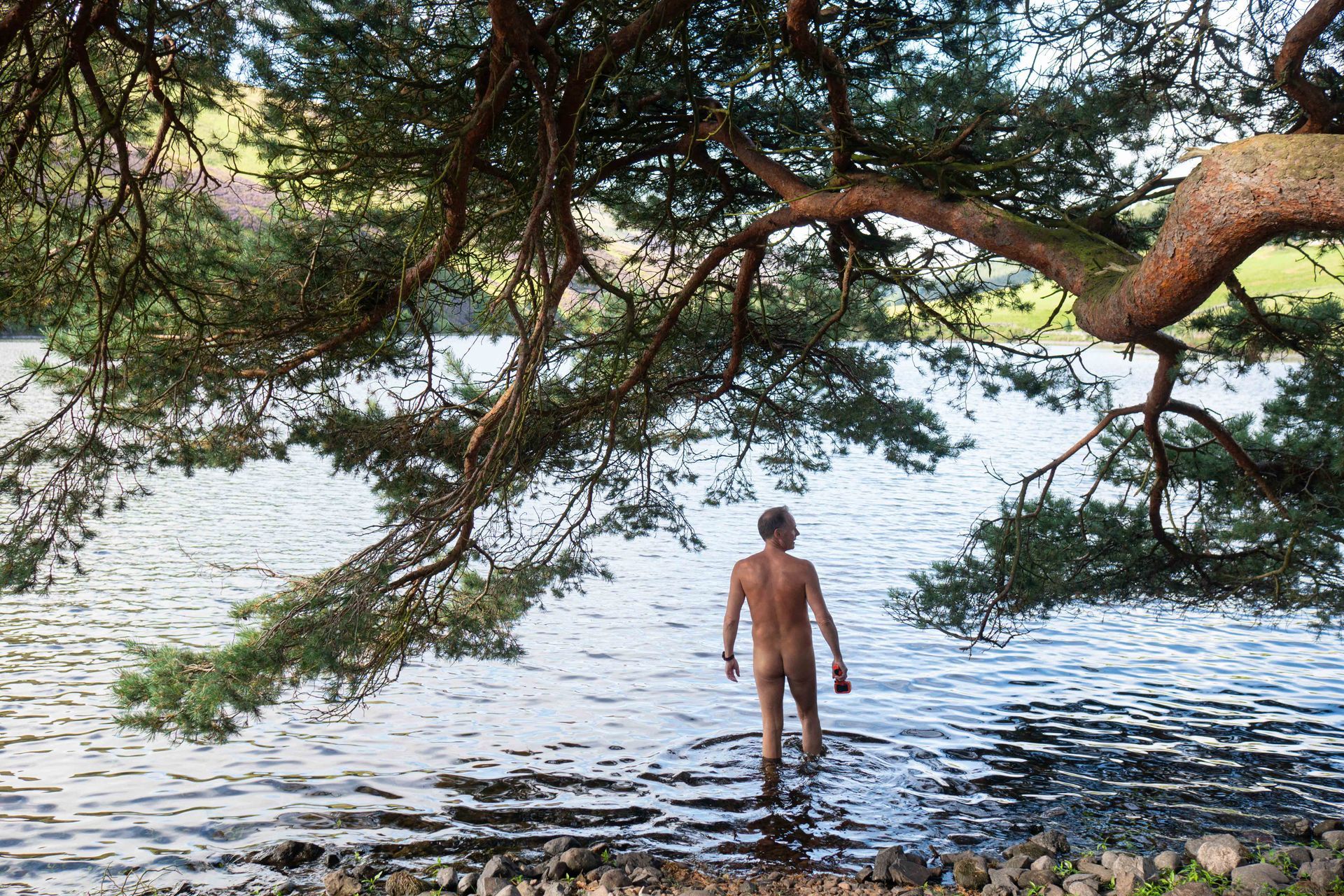
More recently, the growth of outdoor swimming has encouraged renewed discussion about the relationship between the body, nature, and personal well-being. While many wild swimmers wear conventional swimming costumes, others choose to enter the water unclothed.
Their motivations vary. Some cite comfort and practicality. Others describe feelings of freedom, equality, connection with nature, or escape from social expectations.
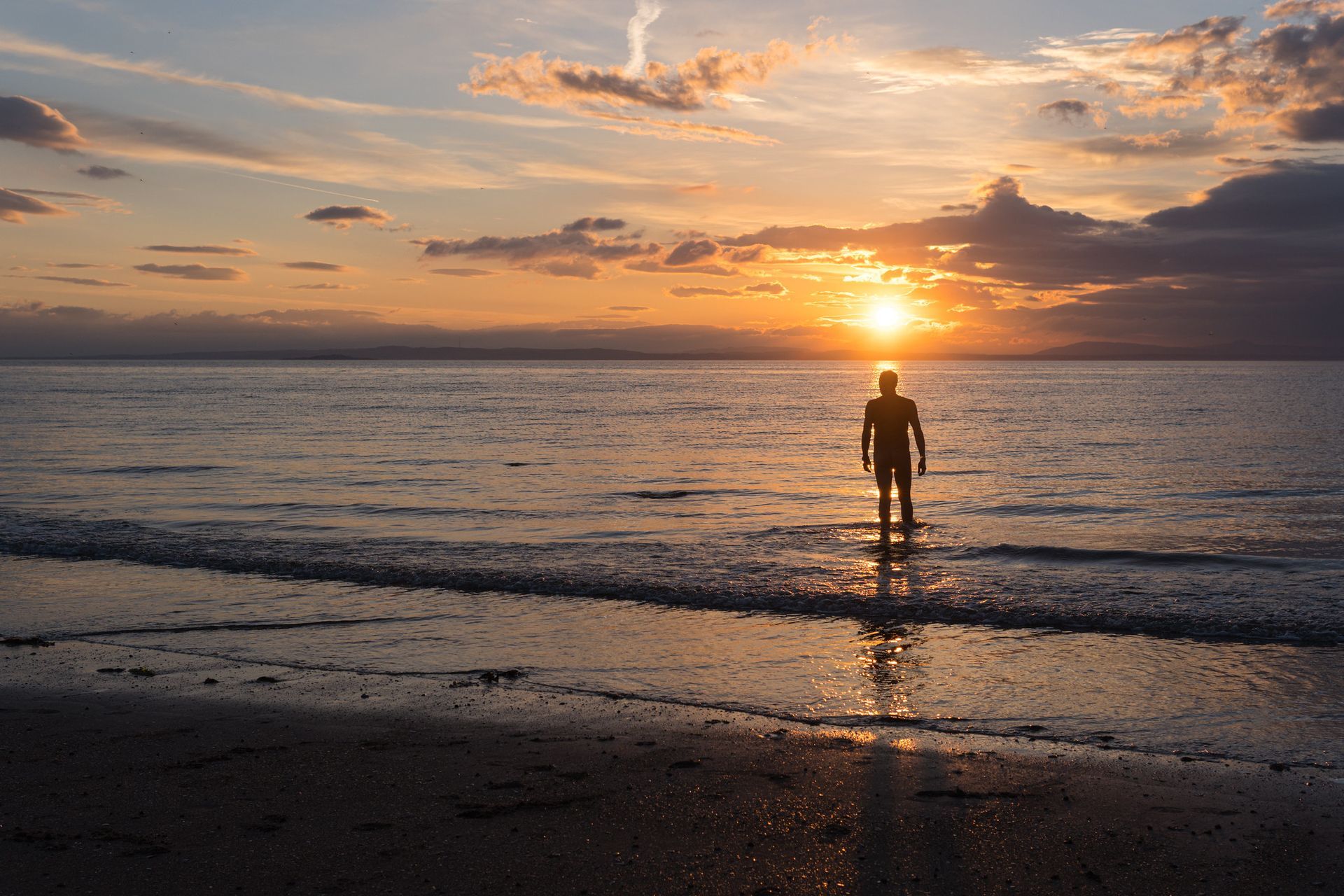
What is striking is the recurrence of themes that appear repeatedly in historical accounts of ritual bathing. Participants often speak of shedding everyday concerns, crossing a threshold, and emerging refreshed or transformed.
Whether interpreted psychologically, socially, or spiritually, these experiences suggest that some of the symbolic associations attached to water may be deeply rooted within human culture.
Carrying the Tradition Forward
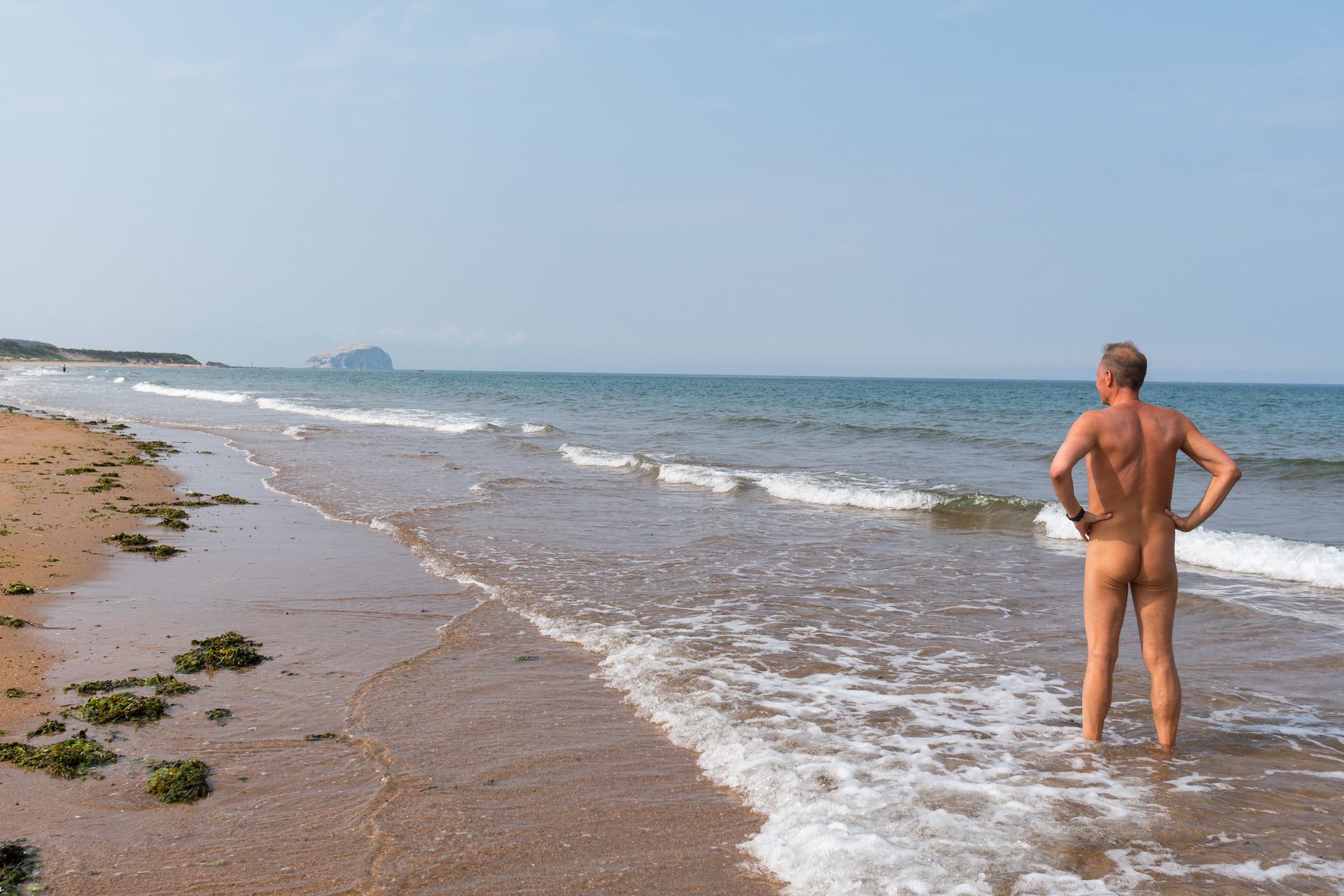
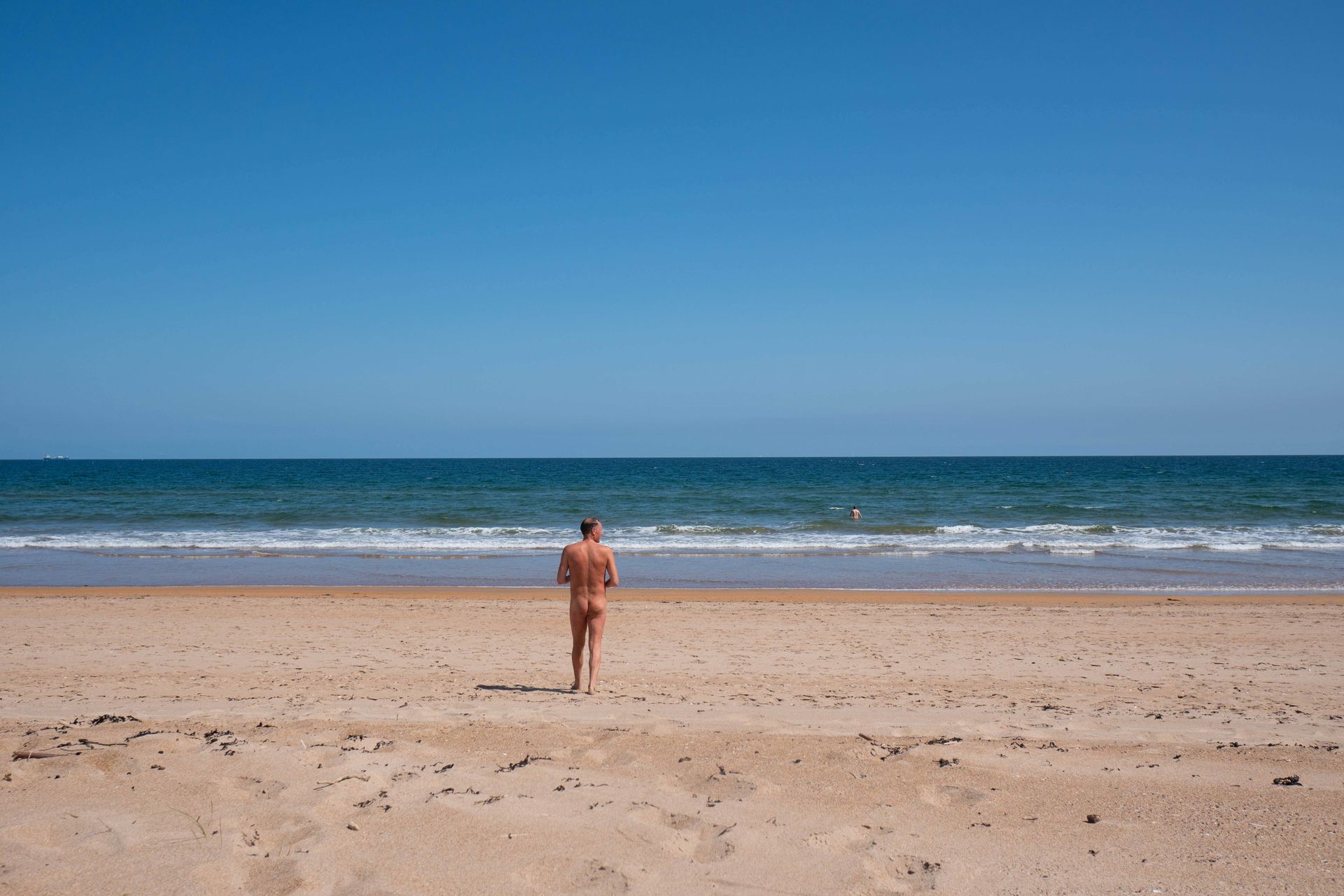
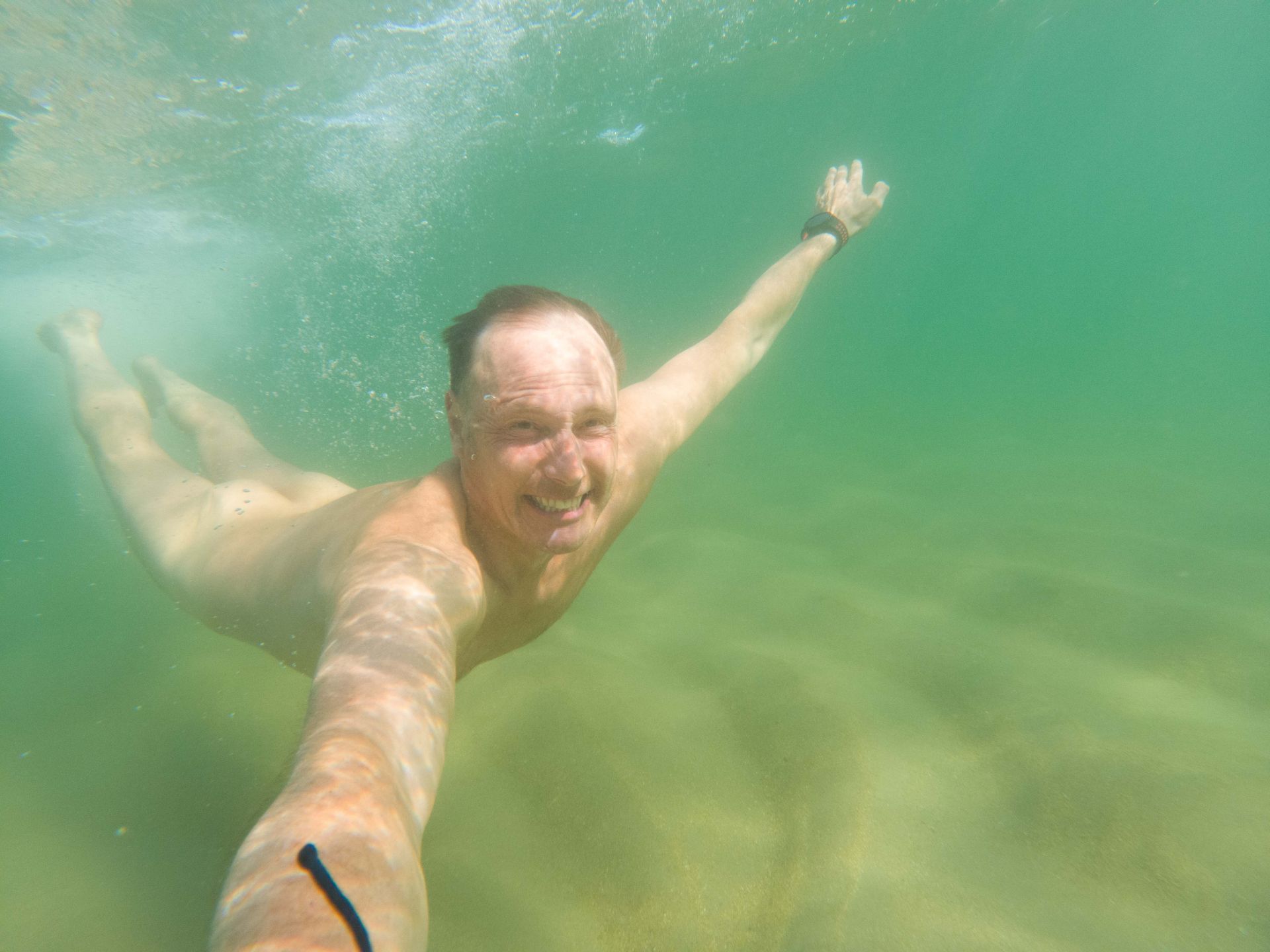
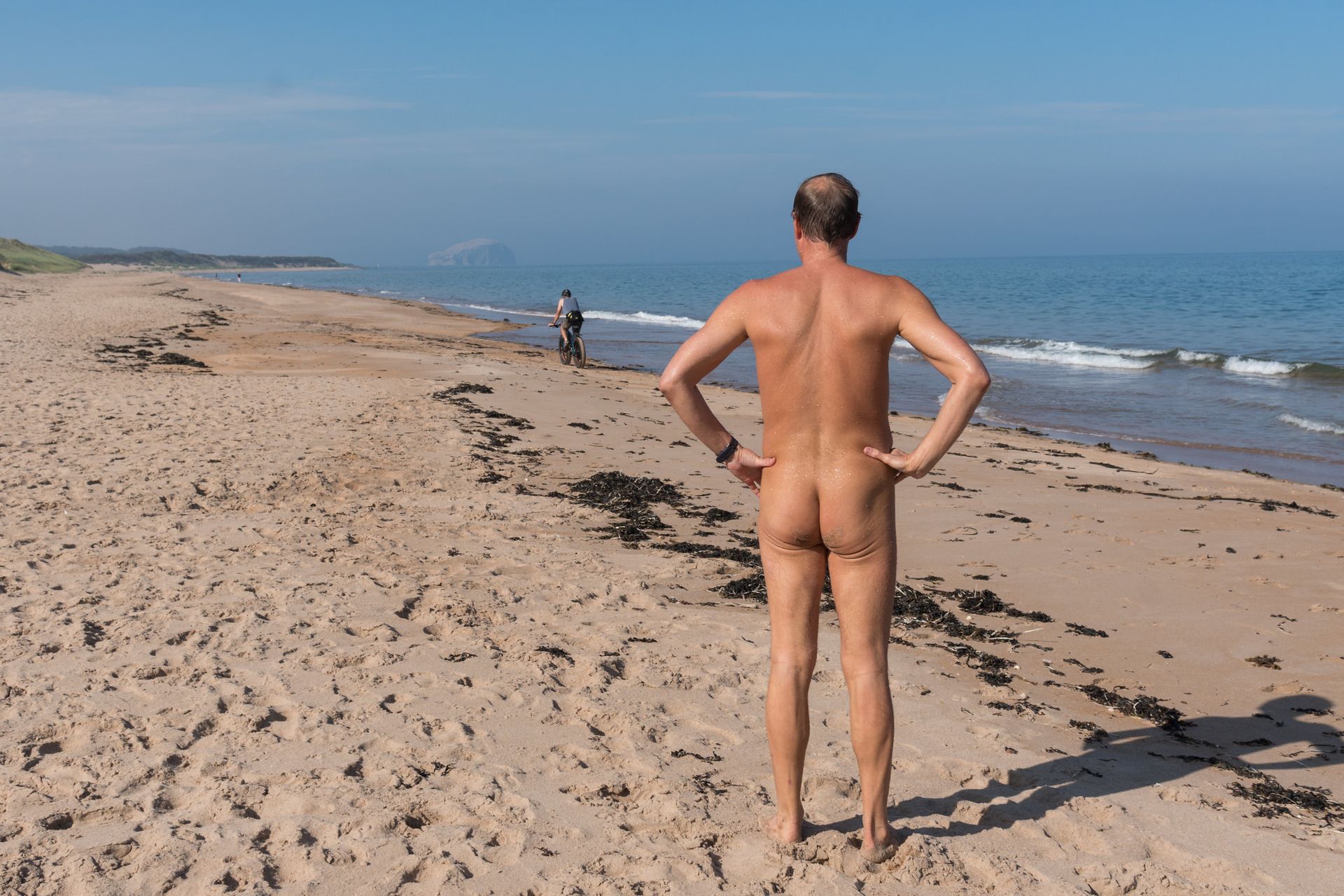
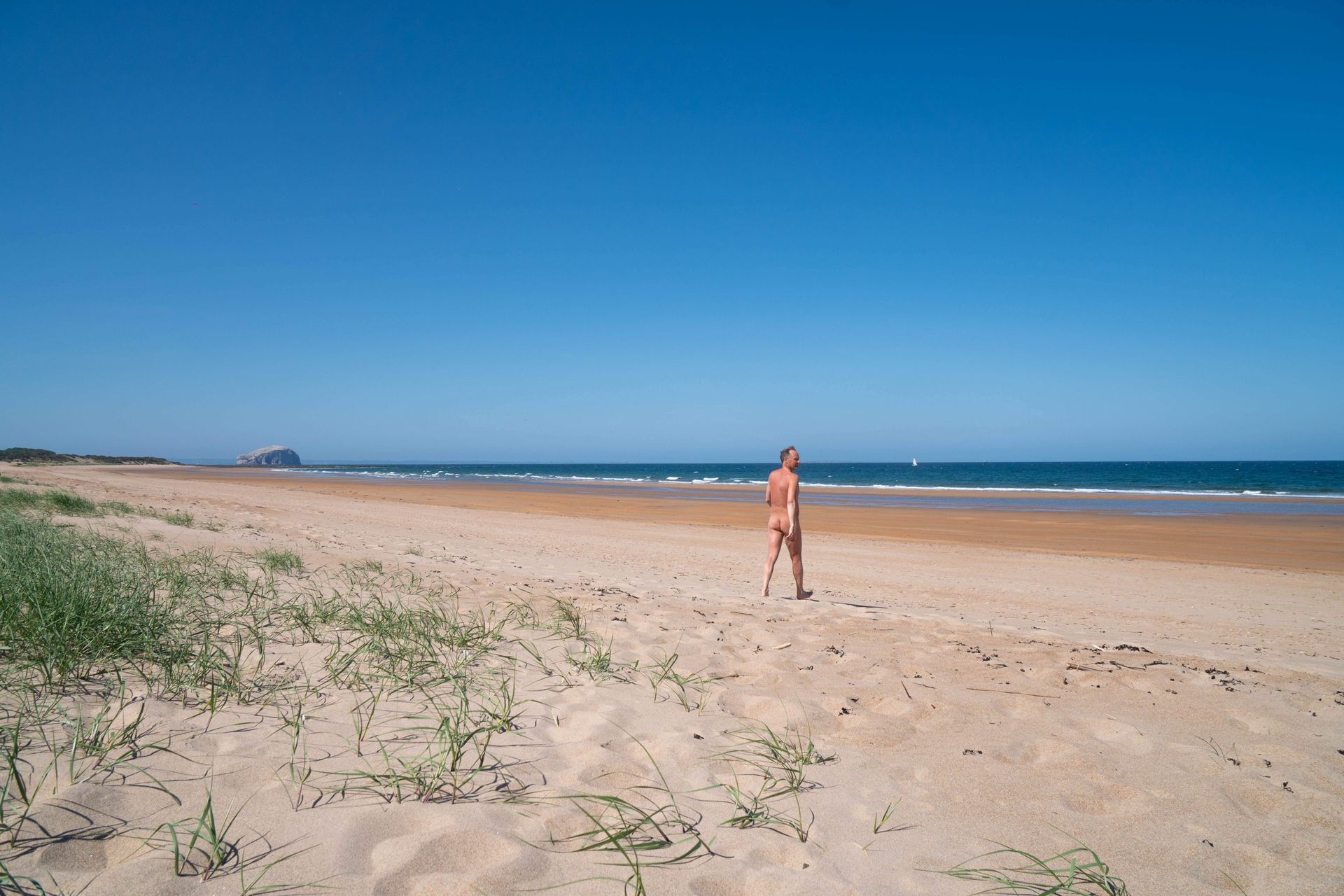
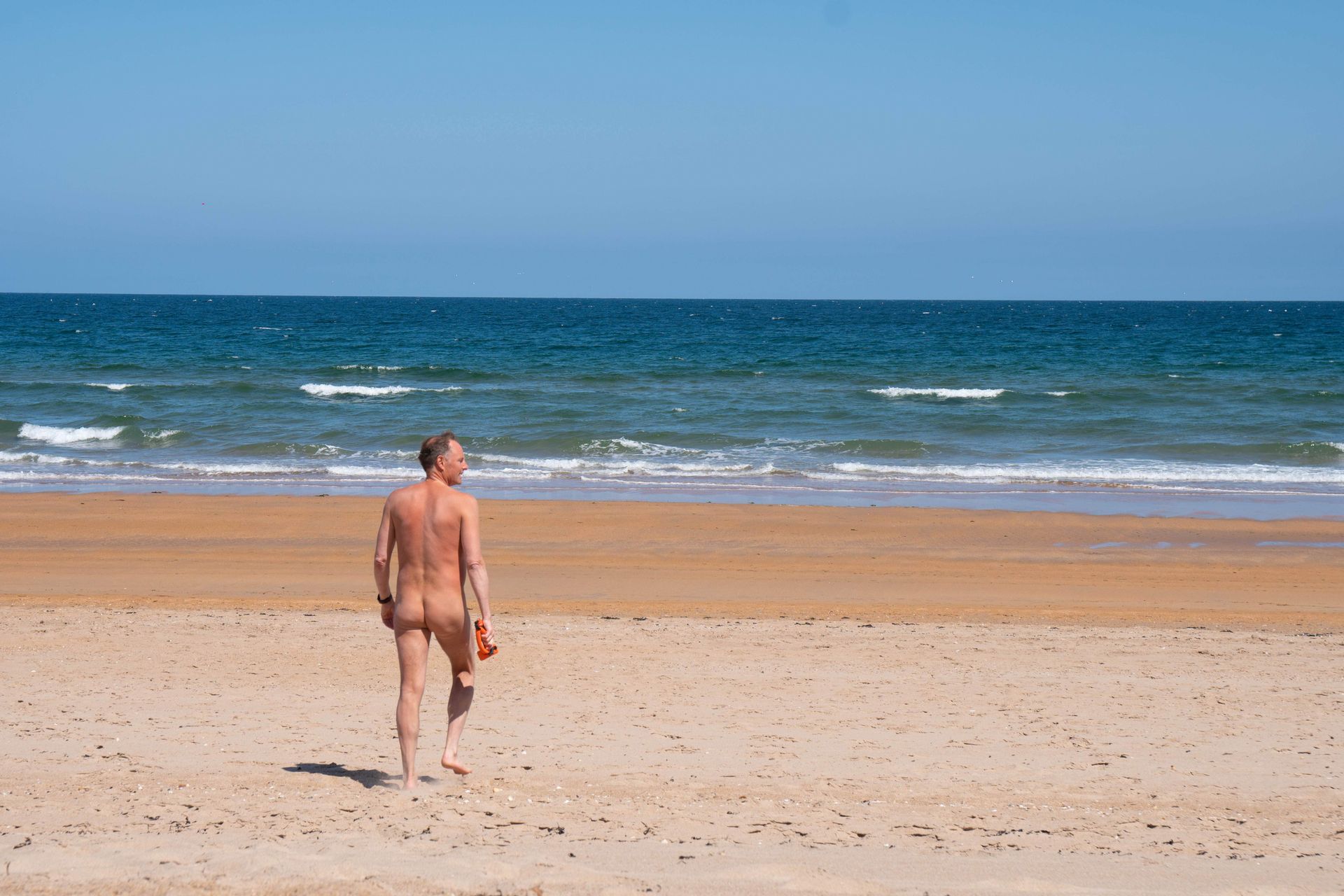
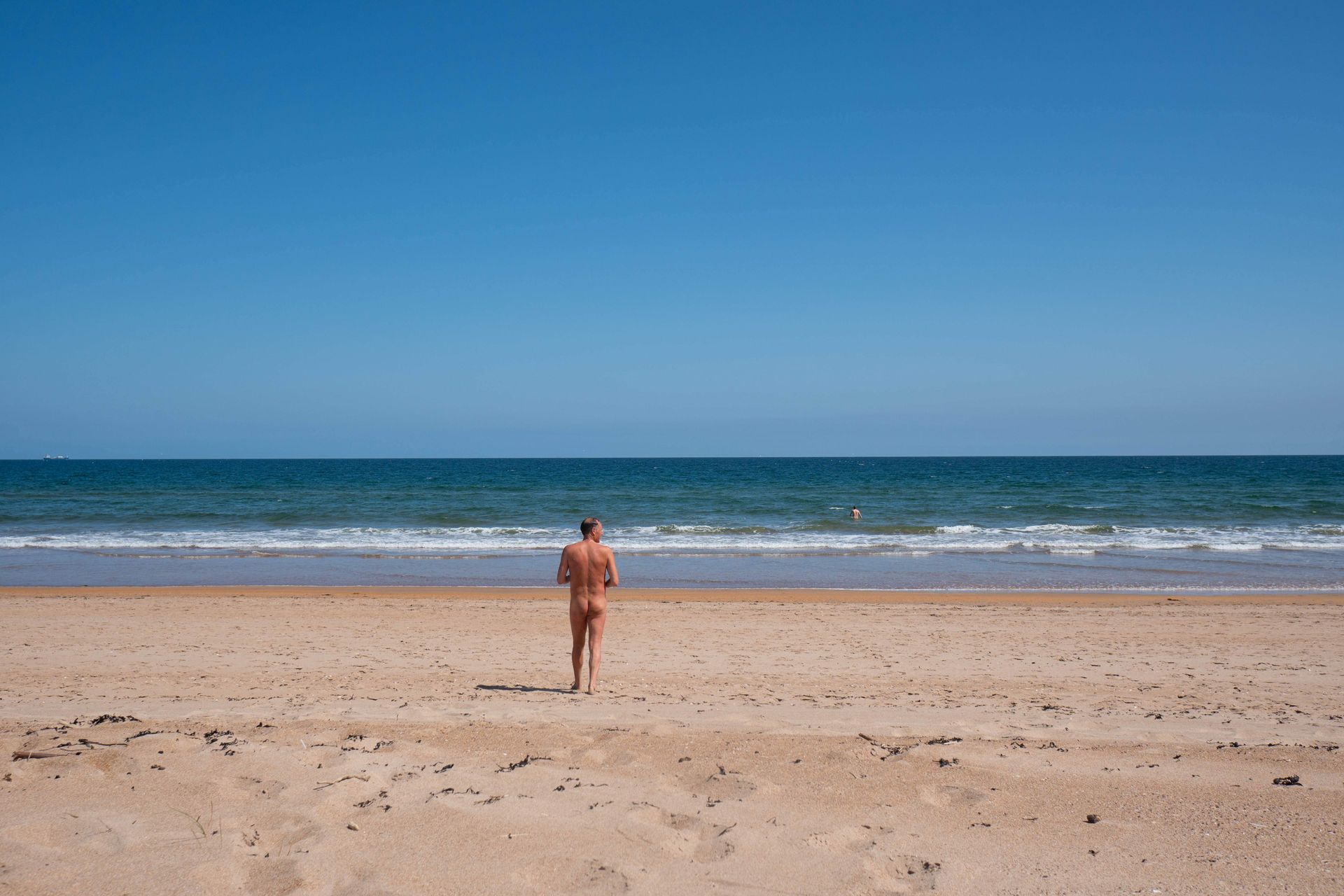
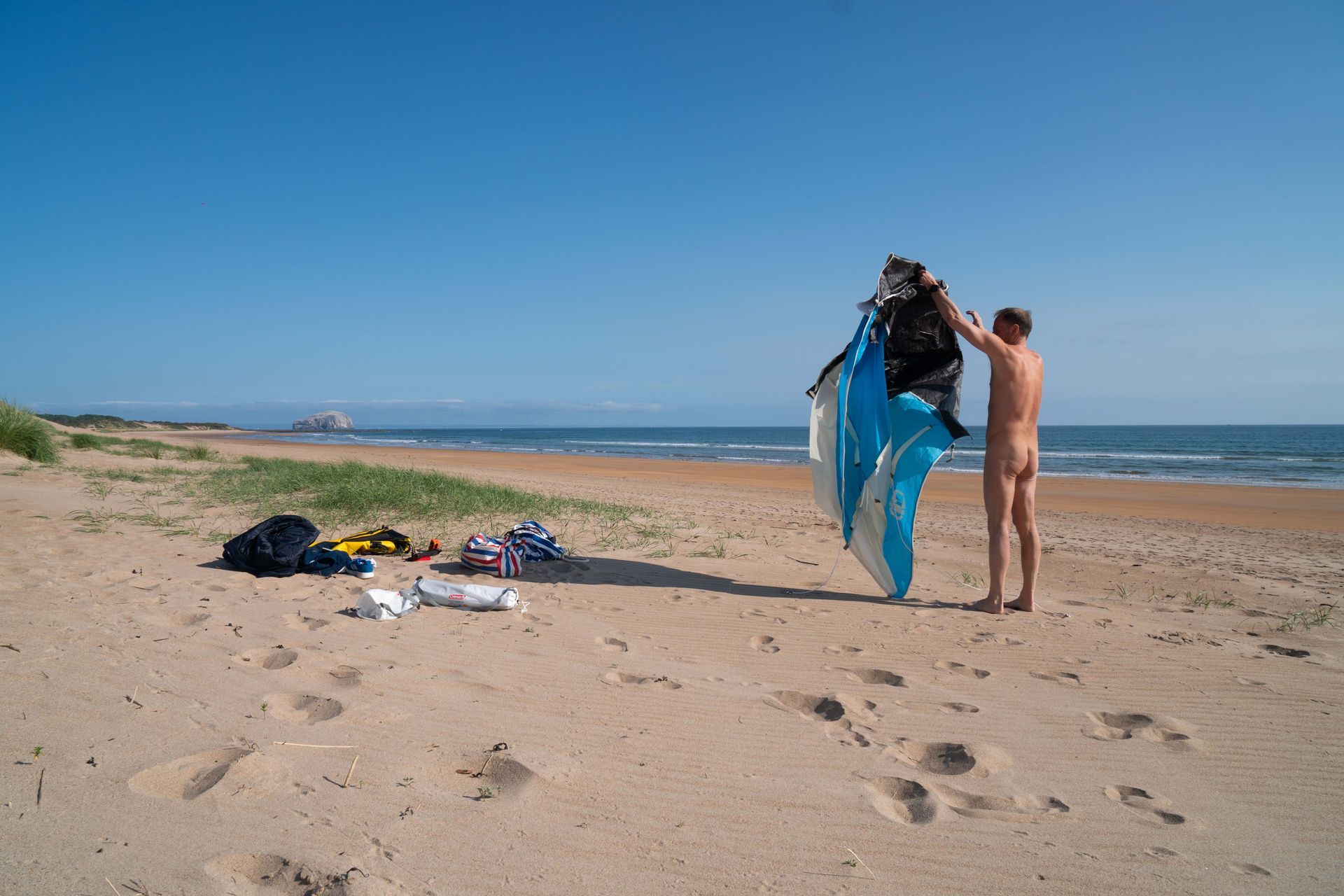
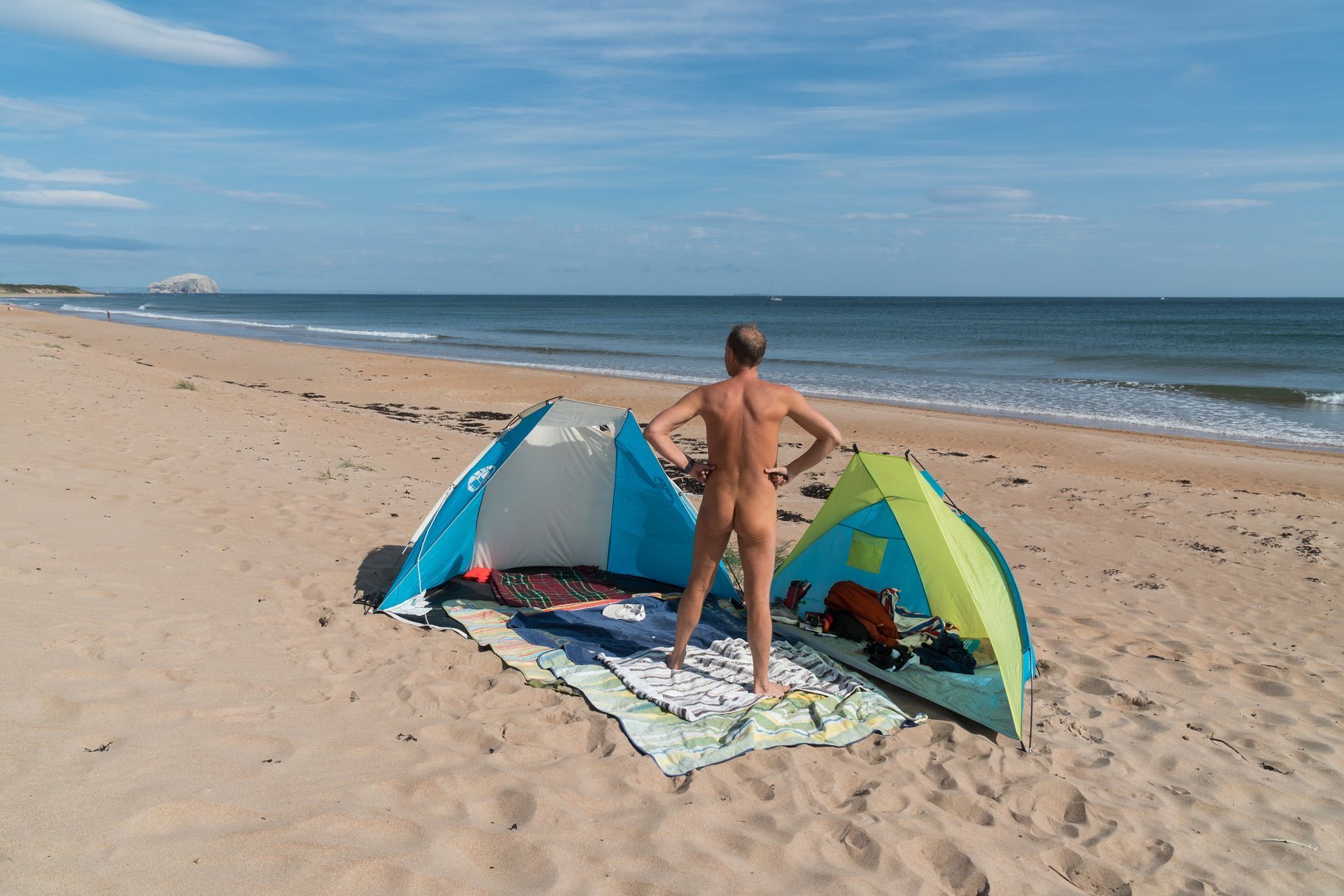
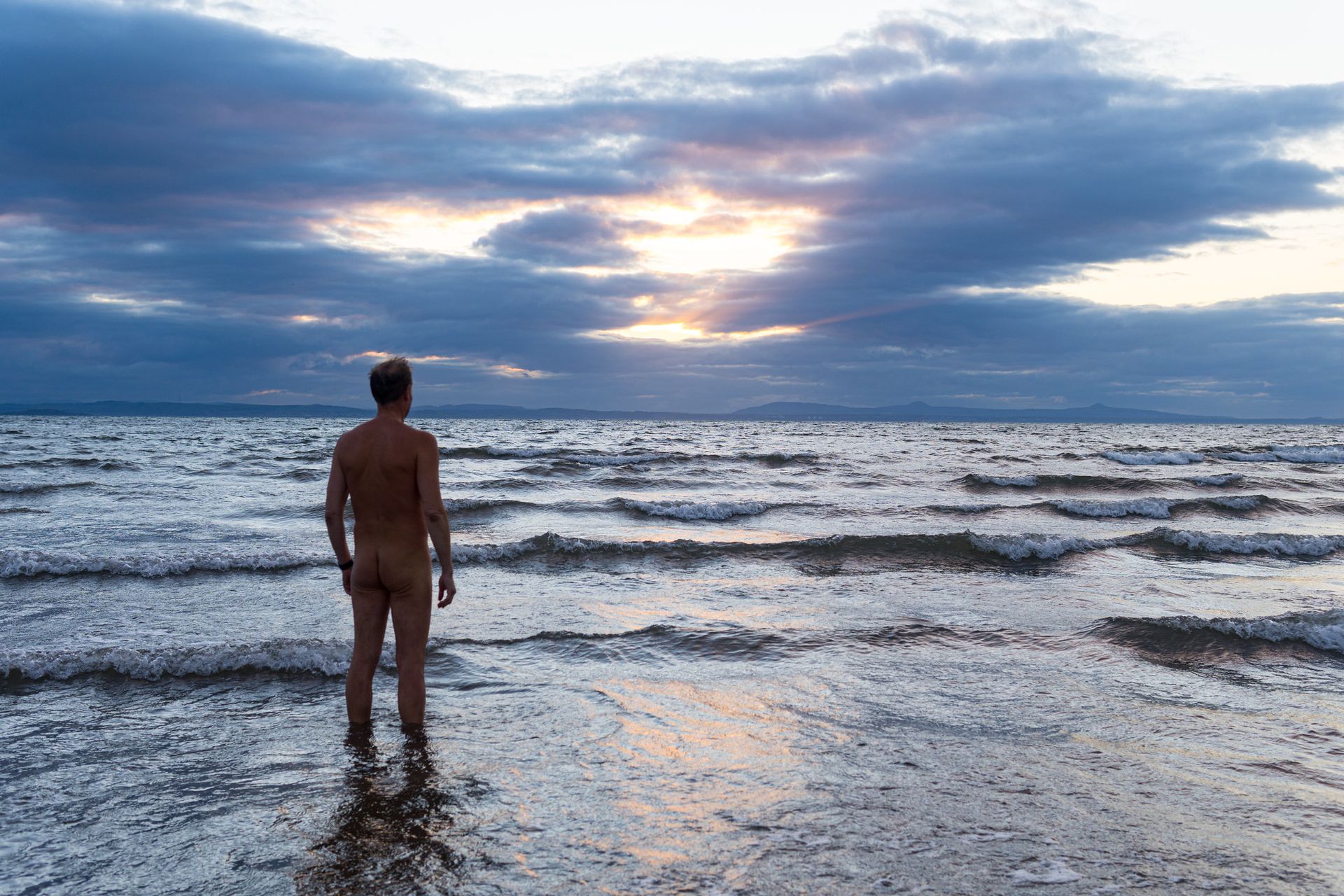
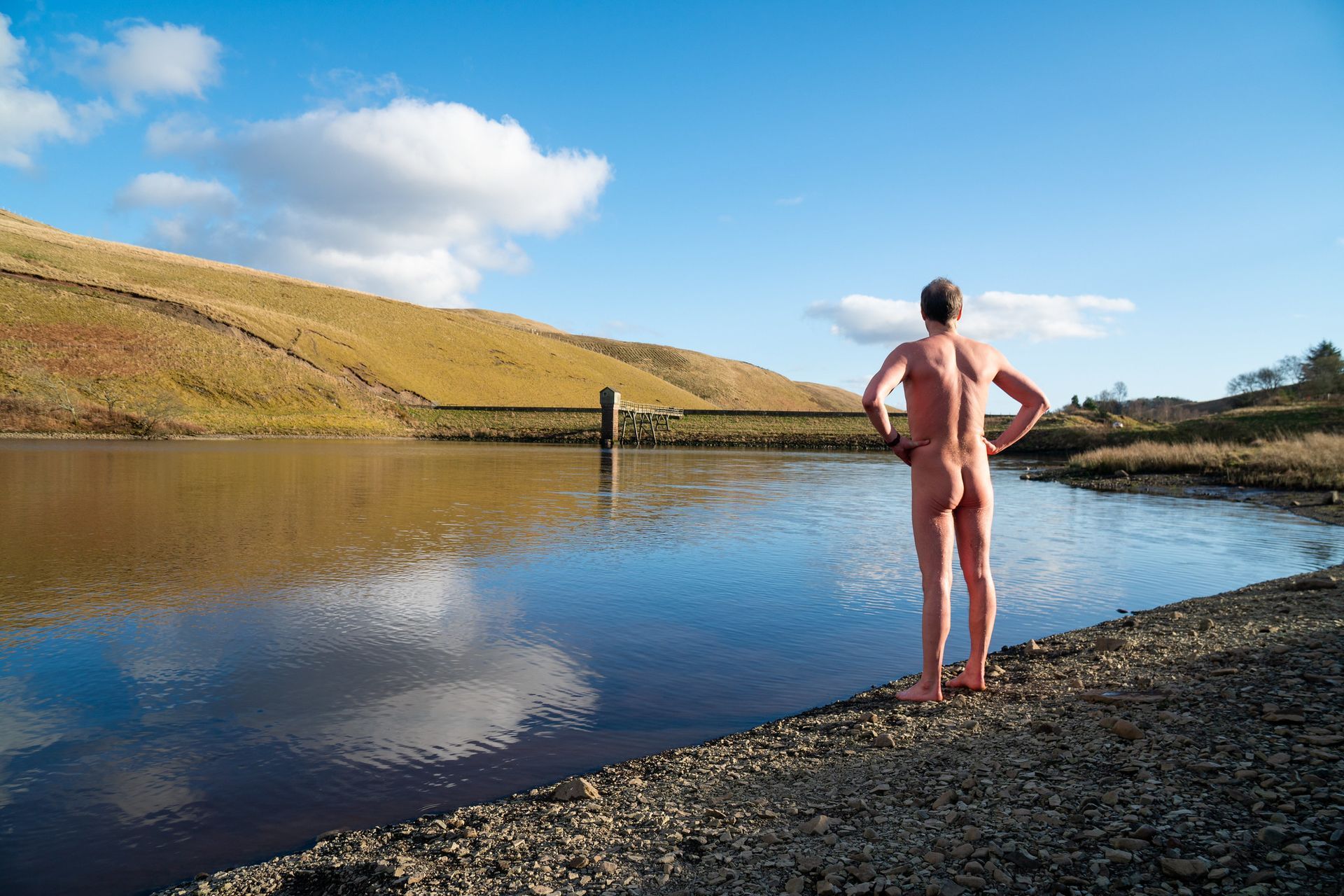
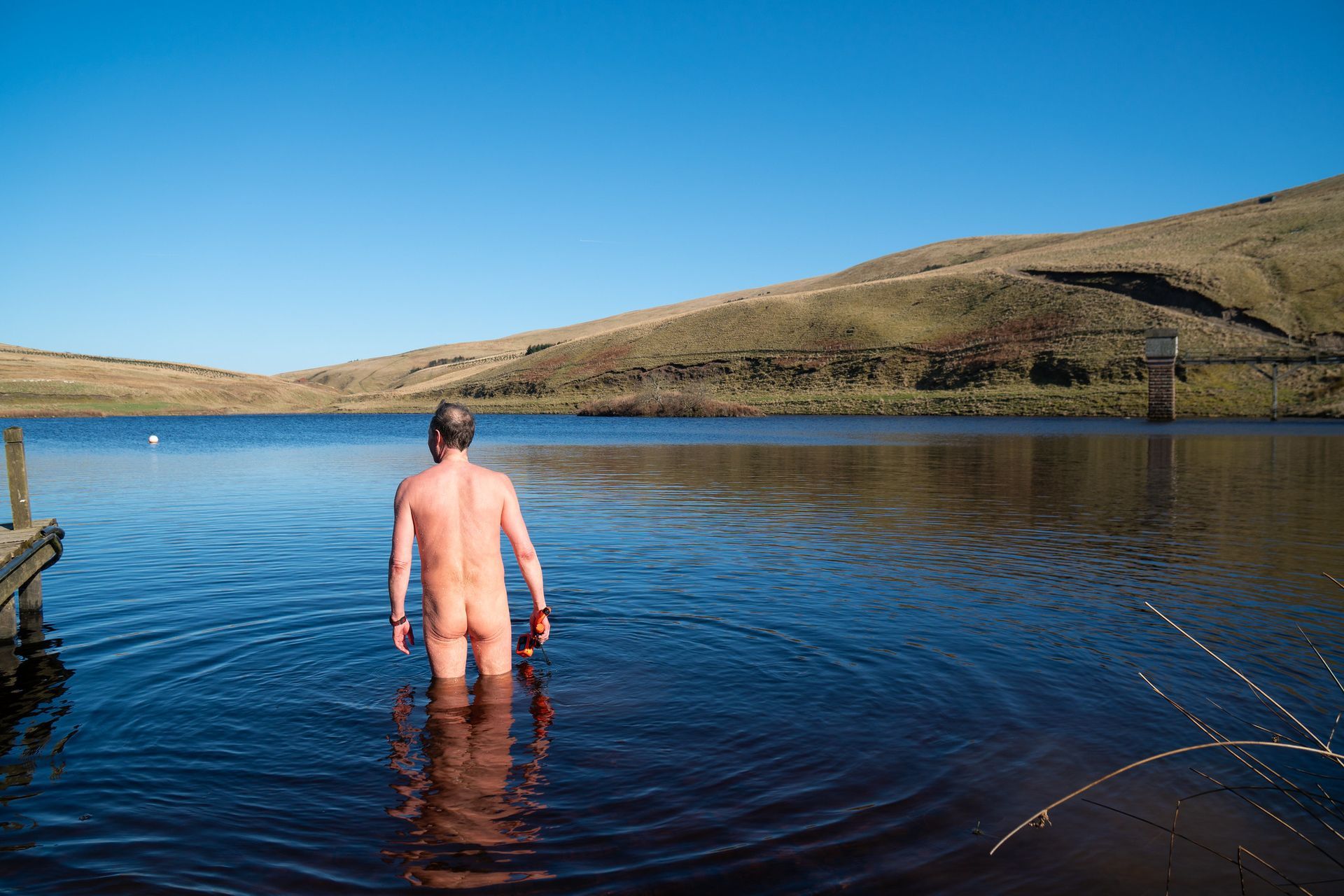
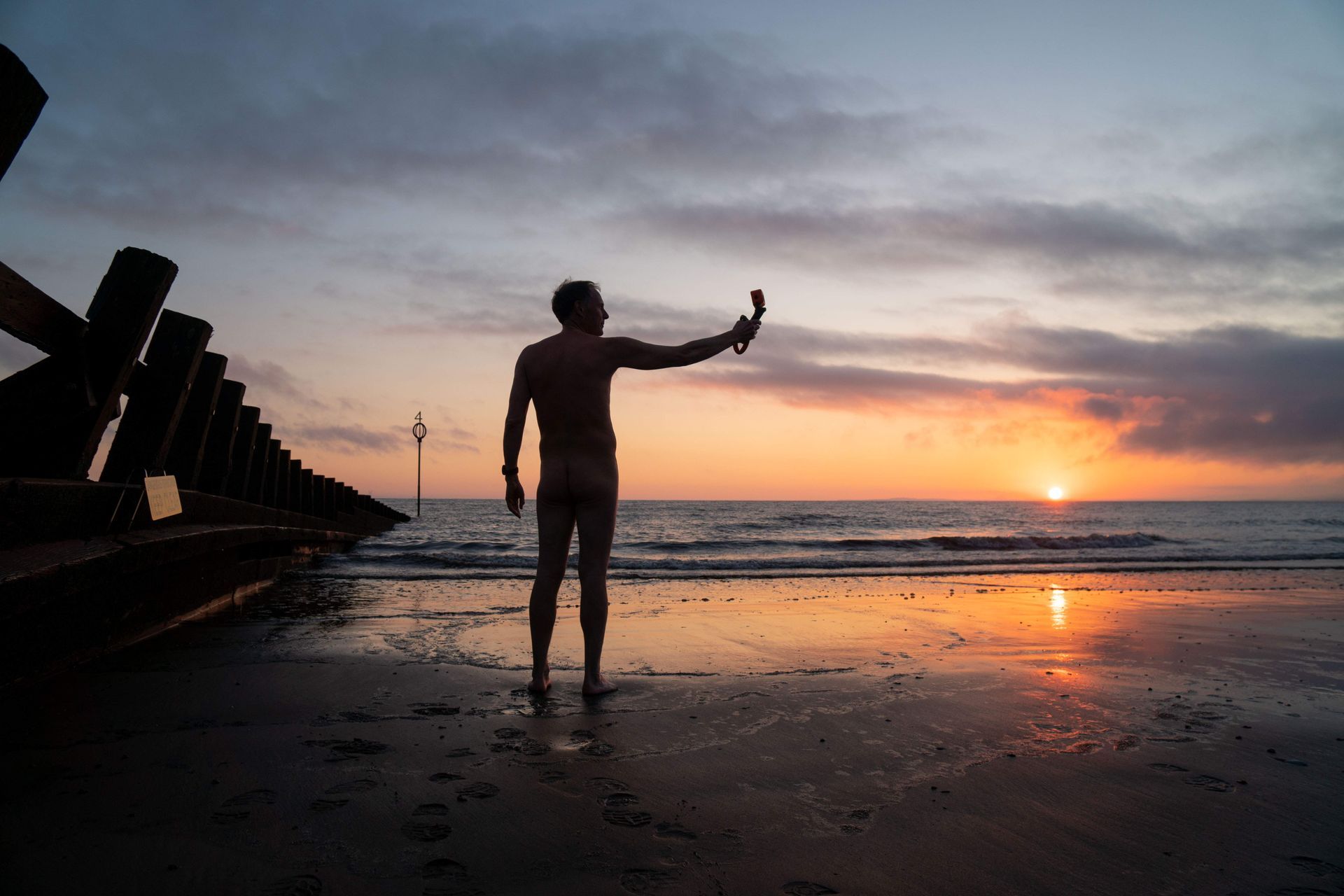
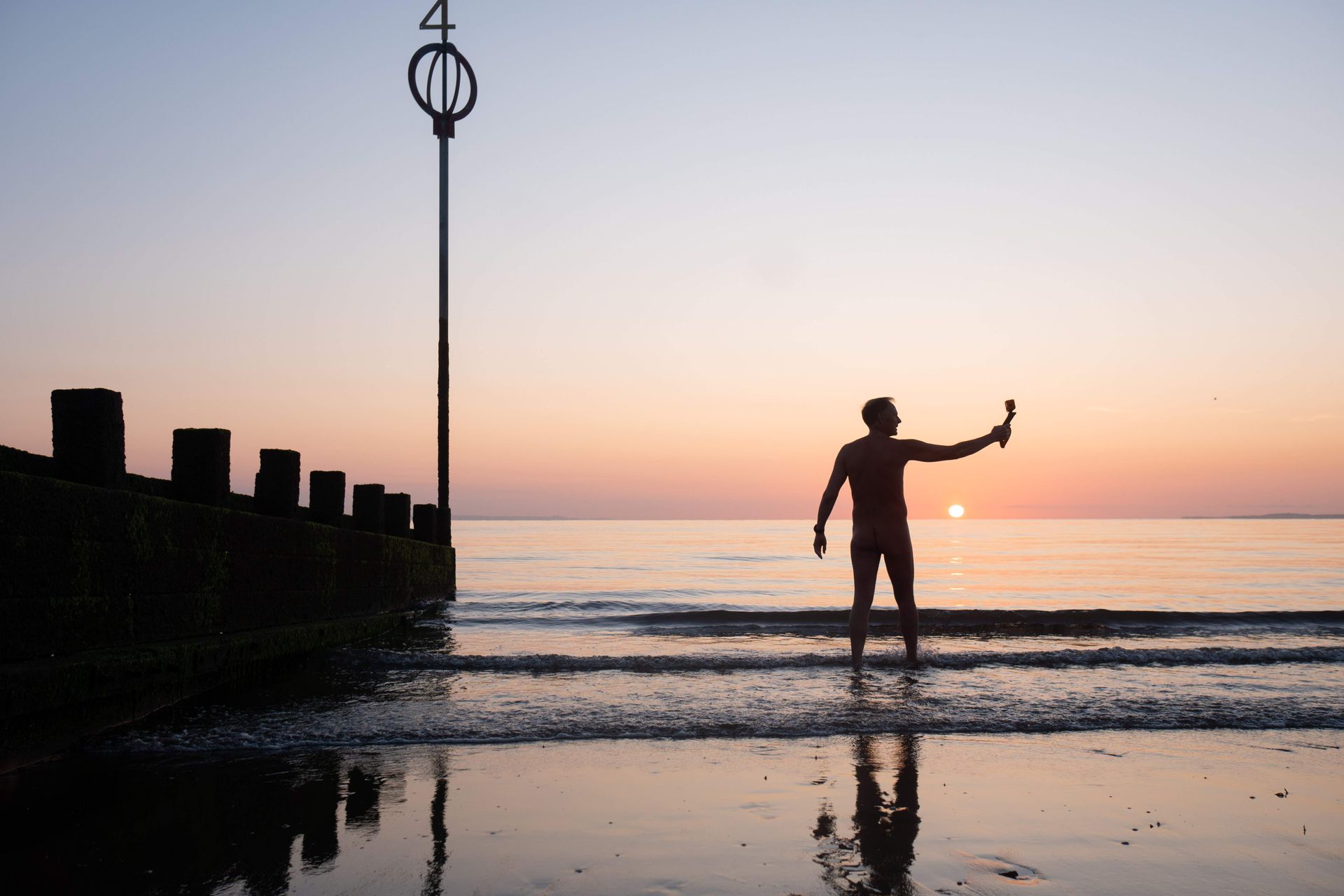
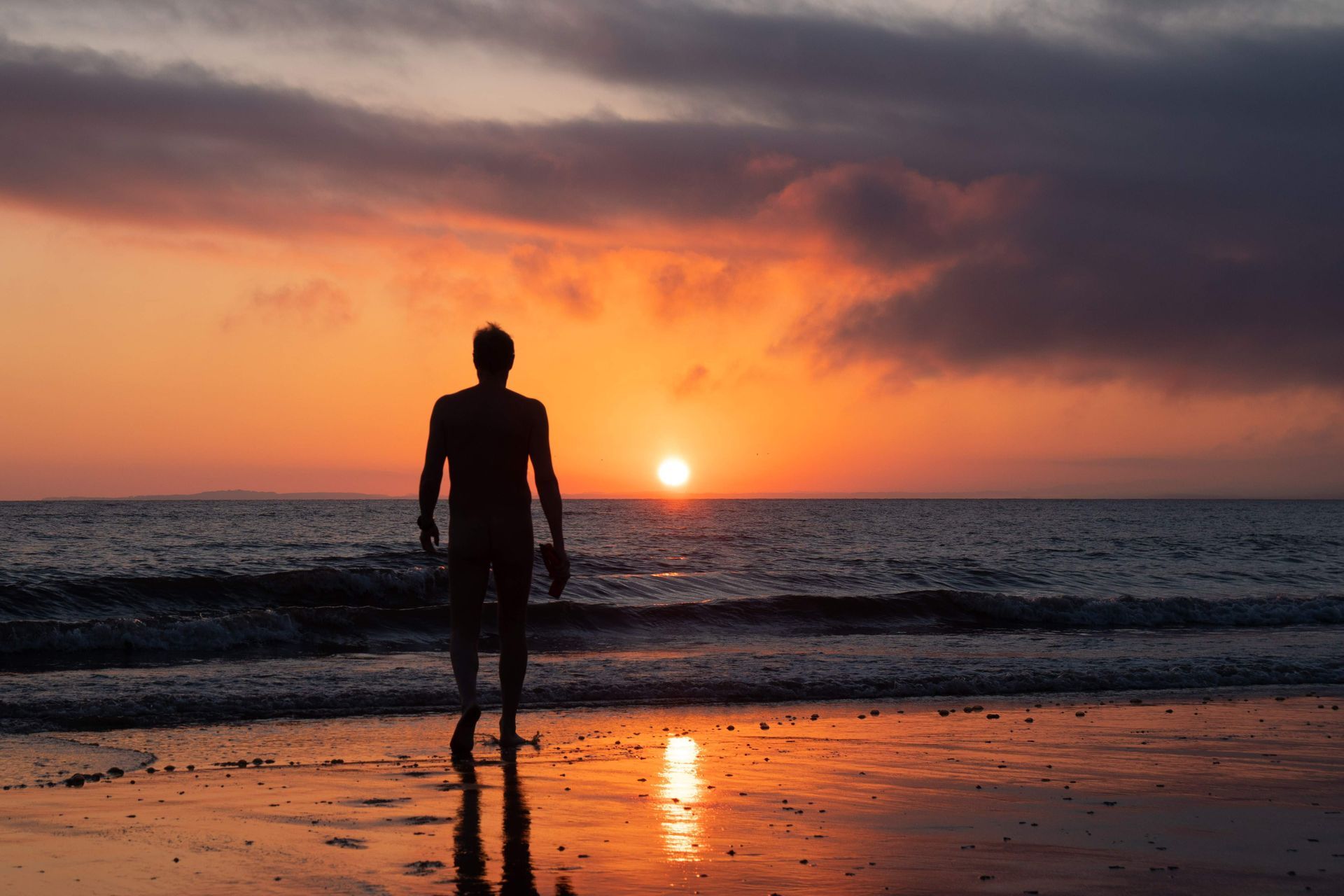
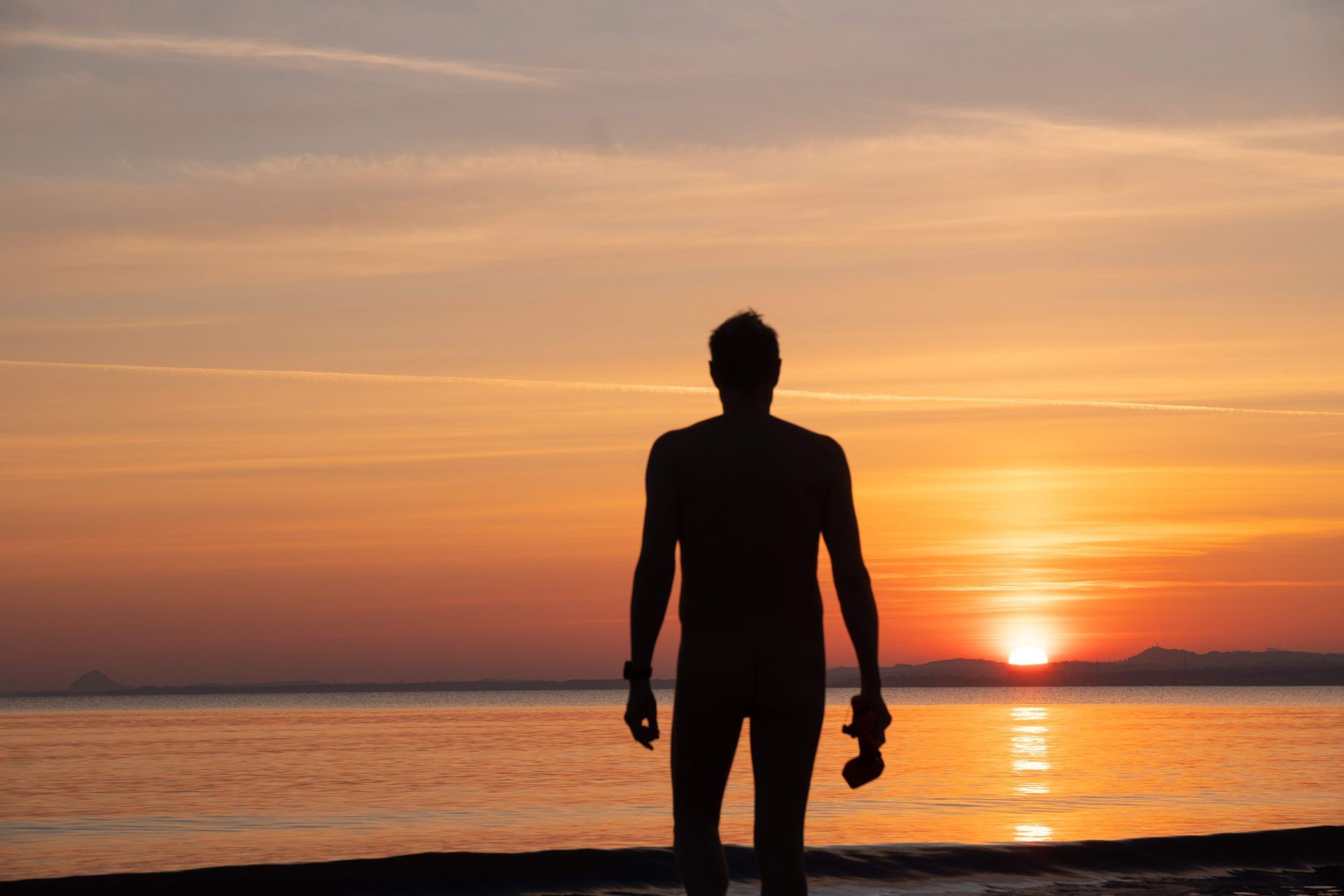
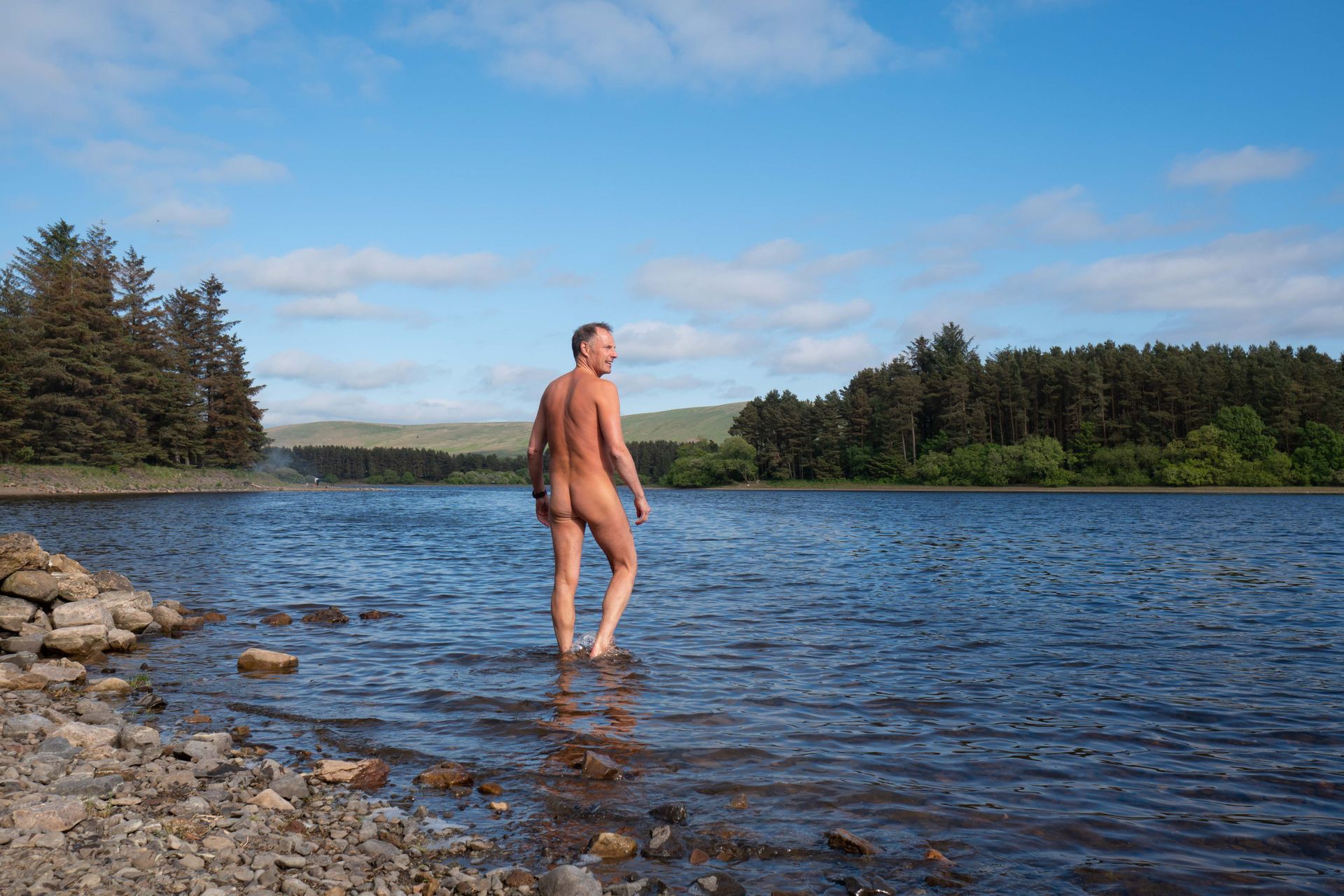
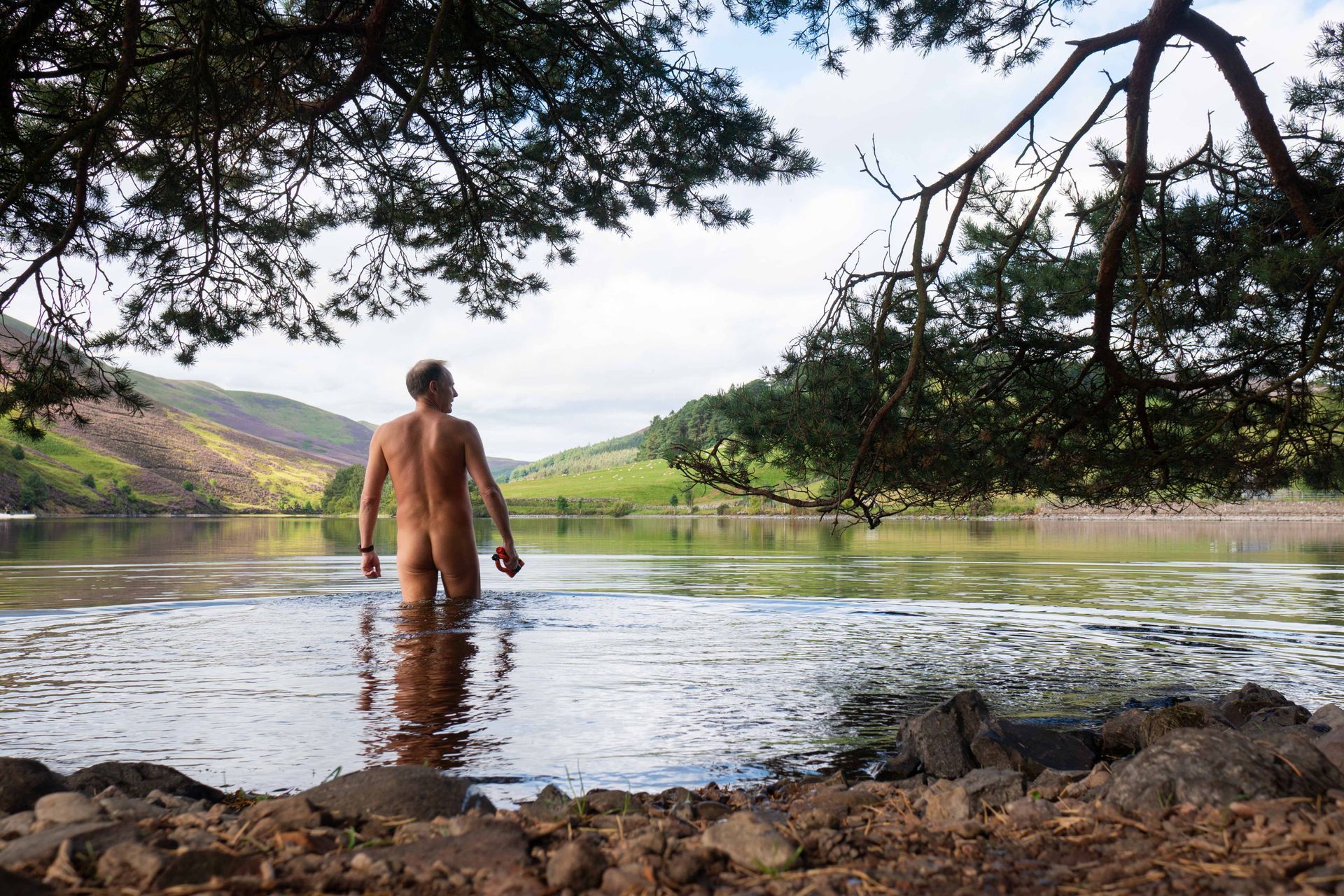
Groups such as the Glencorse Reservoir Skinny Dippers, previously known as Edinburgh Skinny Dipping Stories, occupy an interesting position within this wider history. Their activities are not religious and make no claim to direct continuity with ancient customs. Nevertheless, they challenge assumptions that have become deeply embedded within modern British culture.
For many participants, naked swimming is not an act of exhibitionism but an opportunity to experience water and landscape without unnecessary barriers. In doing so, they quietly question attitudes towards the body that emerged largely during the last two centuries.
Perhaps more significantly, such groups create environments in which ordinary, non-sexual nudity can once again be understood as natural, communal, and unremarkable. In this respect they may be helping to dismantle taboos that are historically recent rather than historically inevitable.
The symbolism identified in earlier traditions—equality, vulnerability, renewal, and connection with nature—continues to resonate, even when expressed in secular rather than religious terms.
Conclusion: Revival or Reinvention?
The historical record does not support the existence of a single uninterrupted tradition of ritual nude immersion stretching from Antiquity to the present day. What it does reveal is something perhaps more interesting. Across widely separated cultures, nakedness and water have repeatedly been associated with purification, transition, and renewal.
Whether in early Christian baptism, Shinto purification rites, Scandinavian sauna culture, or the sacred waters of Britain and Ireland, immersion often marked a temporary departure from ordinary life. Clothing, which ordinarily signifies status, occupation, wealth, and social identity, was removed. Water then served as a medium of transformation.
Modern skinny-dippers and wild swimmers may not consciously regard themselves as heirs to these traditions. Nevertheless, their experiences frequently echo themes that have recurred for centuries. Participants commonly describe feelings of liberation, equality, vulnerability, connection with nature, and personal renewal.
The significance of entering water naked therefore lies not in any single historical tradition, but in the persistent reappearance of similar symbolic ideas across time and place. The practice has been interpreted differently by different societies, yet it continues to invite reflection on identity, transformation, and humanity’s enduring relationship with water.
References
- Mircea Eliade, Patterns in Comparative Religion (London: Sheed & Ward, 1958), pp. 188–215.
- Robin M. Jensen, Baptismal Imagery in Early Christianity (Grand Rapids: Baker Academic, 2012), pp. 102–112.
- Cyril of Jerusalem, Catechetical Lectures, Lecture XX, sections 2–4.
- Ronald Hutton, Pagan Britain (New Haven: Yale University Press, 2013), pp. 308–325.
- Hutton, Pagan Britain, pp. 319–321. See also Miranda Green, The World of the Druids (London: Thames & Hudson, 1997), pp. 118–122.
- Sokyo Ono, Shinto: The Kami Way (Rutland, Vermont: Charles E. Tuttle, 1962), pp. 73–77.
- H. Byron Earhart, Japanese Religion: Unity and Diversity (Belmont, California: Wadsworth, 1982), pp. 49–53.
- Mikkel Aaland, Sweat: The Illustrated History and Description of the Finnish Sauna (Santa Barbara: Capra Press, 1978), pp. 21–39.
- Alain Corbin, The Lure of the Sea (Berkeley: University of California Press, 1994), pp. 211–248.
- Vigarello, Georges, Concepts of Cleanliness: Changing Attitudes in France Since the Middle Ages (Cambridge: Cambridge University Press, 1988), pp. 147–176; see also contemporary accounts collected in Havelock Ellis, Studies in the Psychology of Sex, Vol. I (Philadelphia, 1900), Appendix C.
- Chad Dell,
The History of Naturism (Chicago: Lake View Press, 2006), pp. 34–68.
Further Reading
Eliade, Mircea. Patterns in Comparative Religion.
Laqueur, Thomas. Making Sex: Body and Gender from the Greeks to Freud.
Porter, Roy. The Greatest Benefit to Mankind: A Medical History of Humanity.
Smith, Jonathan Z. To Take Place: Toward Theory in Ritual.
Vigarello, Georges. Concepts of Cleanliness: Changing Attitudes in France Since the Middle Ages.
Photographs